
Packing for Success: Must-Have Items for Your Fishing Tackle Box
Most fishing trips fail before they start because your tackle box is a mess. When your gear is scattered, you waste time and miss bites. This guide will show you how to organize your fishing tackle box with the right types of tackle boxes and essential fishing tackle so you’re ready for anything on the water. For more tips, check out this guide.
Essential Fishing Tackle Box Items

Organizing your fishing tackle box starts with knowing what to pack. Let’s dive into the must-have items that will set you up for success on your next fishing adventure.
Hooks, Lines, and Sinkers
Every angler knows the importance of having the right hooks, lines, and sinkers. These are the backbone of your tackle box. Make sure you carry a variety of hook sizes to match different fish species. Lines should be strong yet flexible to handle the weight and fight of different fish. Additionally, pack a selection of sinker weights. Lighter sinkers work well in calm waters, while heavier ones are better for currents. Keeping these essentials organized ensures you can adapt to any fishing situation without delay.
Lures and Baits Variety
Your lure and bait collection can make or break your fishing day. Carry a mix of soft baits, hard lures, and live bait. Each type attracts different fish, so variety is key. Soft baits mimic the movement of fish, making them irresistible to your catch. Hard lures are great for mimicking prey and attracting fish through movement and color. Don’t forget live bait, which can be particularly effective in enticing fish. Having a well-rounded selection ensures you’re ready for any fishing conditions.
Tools and Accessories
Don’t overlook the importance of tools and accessories in your tackle box. A good pair of pliers, line cutters, and a hook remover are essential for handling catches safely and efficiently. Carrying a small first aid kit is wise, as accidents can happen. Also, include a portable scale to measure your catches. These tools not only make your fishing trip smoother but also ensure you handle fish responsibly. By preparing with the right accessories, you enhance both your safety and the success of your day on the water.
Tackle Box Organization Tips
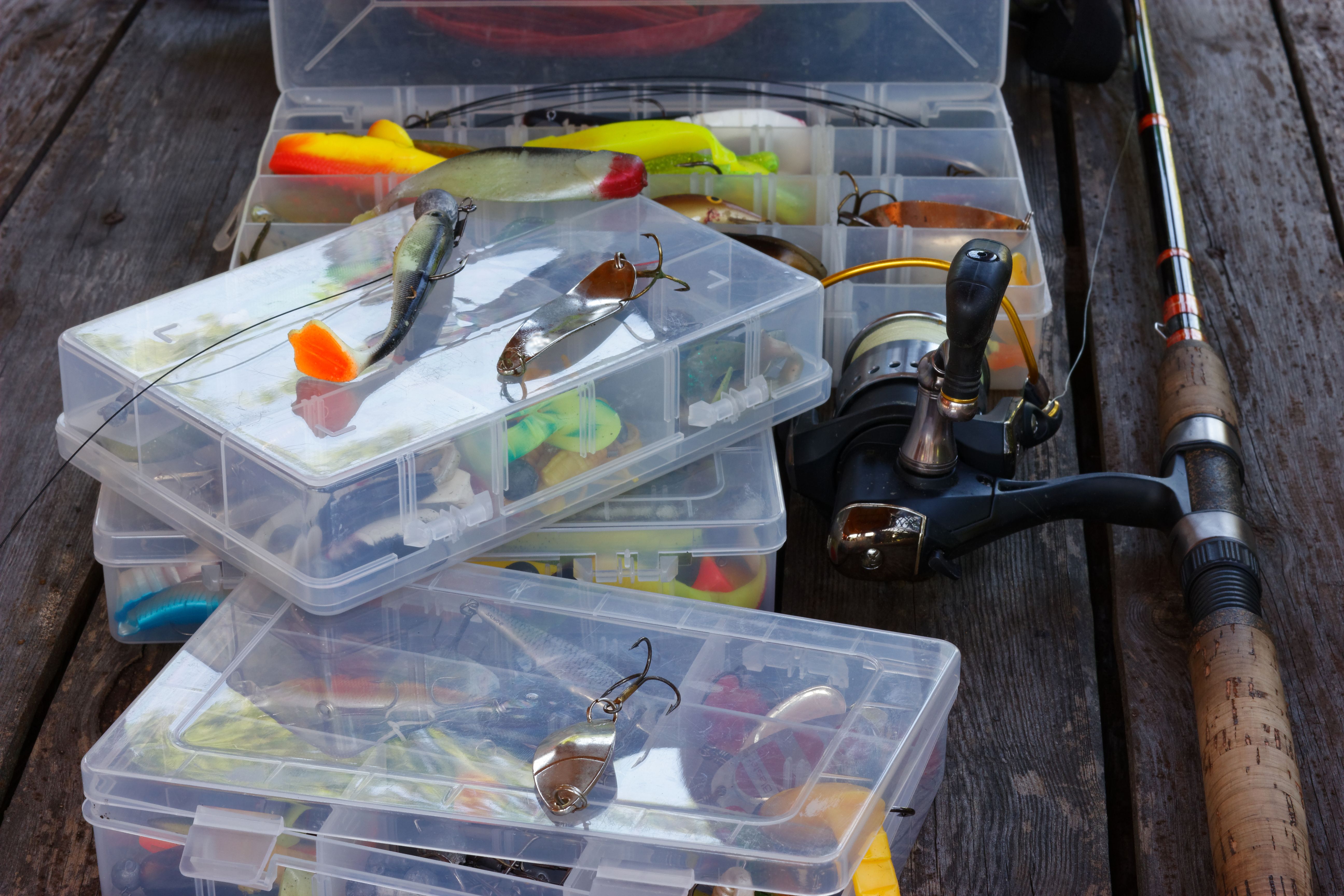
Now that you’ve packed your essentials, it’s time to organize them effectively. A well-organized tackle box saves time and prevents frustration, letting you focus more on fishing.
Sorting and Categorizing Gear
Start by sorting your gear into categories: hooks, lines, sinkers, lures, and tools. Use small containers or compartments to keep similar items together. Label each section for easy access. This method not only keeps your tackle box neat but also helps you quickly find what you need when the fish are biting. For more smart techniques, check out this guide.
Efficient Storage Solutions
Efficient storage in your tackle box is about making the most of the space you have. Use modular storage systems that allow you to customize the layout of your box. Stackable compartments are great for maximizing space while keeping gear accessible. Consider using clear containers so you can see contents without opening them. This approach helps you keep everything in order and saves time on the water. For more tips on organizing your tackle box, visit this resource.
Maintaining Your Tackle Box
Regular maintenance is key to keeping your tackle box in top shape. After each trip, check for rust and clean your gear to prevent damage. Restock any items that are running low. By keeping your tackle box organized and maintained, you’re always ready for your next fishing adventure. This proactive approach ensures that your gear is in optimal condition for every outing.
Choosing the Right Type of Tackle Box
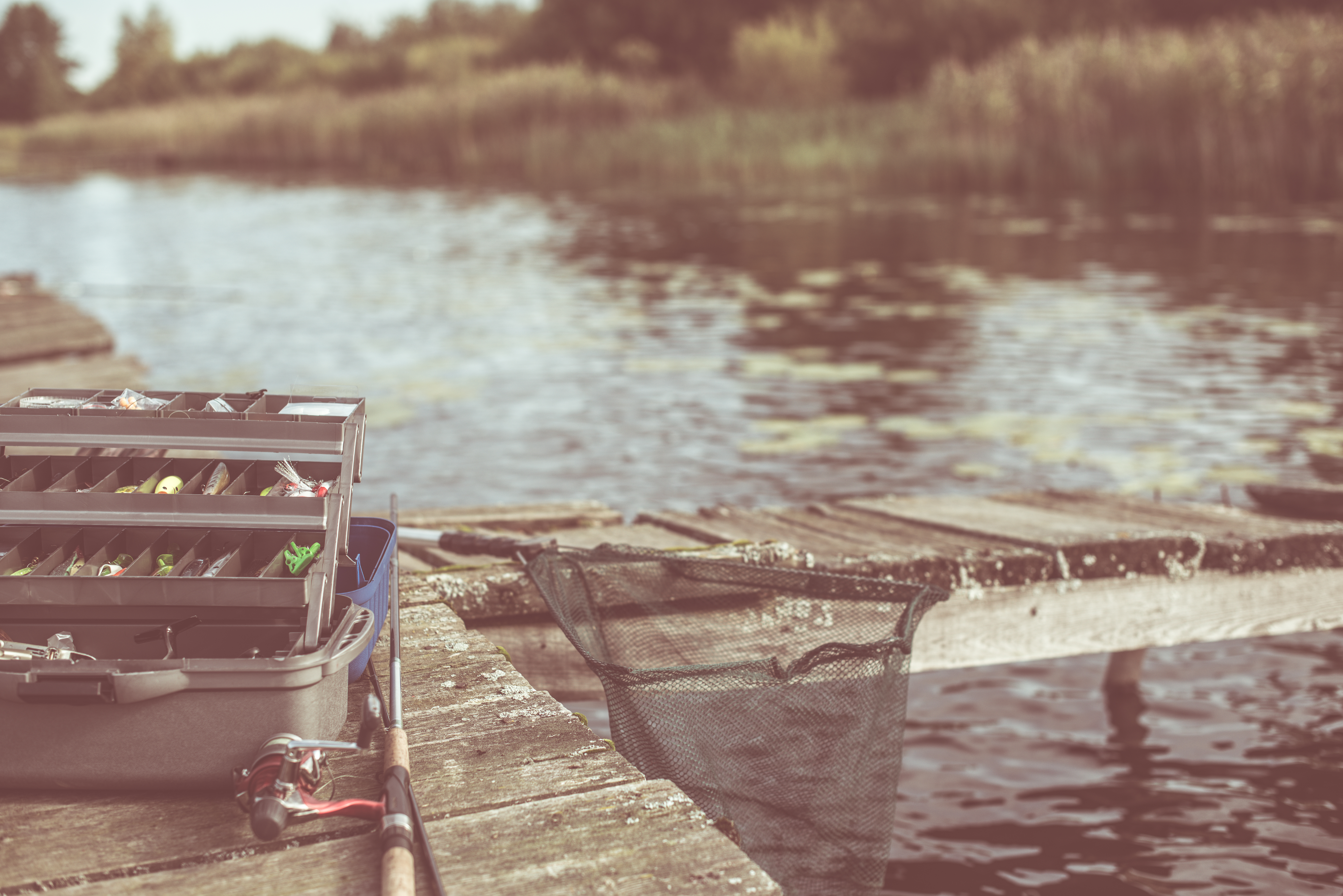
The right tackle box can make a big difference in how you organize and access your gear. Let’s explore the options to find one that suits your needs.
Hard vs. Soft Tackle Boxes
Choosing between a hard or soft tackle box depends on your fishing style. Hard tackle boxes offer durability and protection, great for rougher environments. They often come with compartments that keep gear organized and safe. In contrast, soft tackle boxes are lightweight and flexible, ideal for quick trips or when carrying is a priority. They often have multiple pockets for easy access. Consider your fishing habits when deciding which type suits you best.
Portable and Space-Saving Options
If you’re always on the go, portable tackle boxes are a must. These are designed to be compact and easy to carry. Look for tackle bags with shoulder straps or backpacks with dedicated tackle compartments. Stackable tackle trays can also save space in your storage area. These options cater to anglers who need to move quickly and efficiently from one fishing spot to another.
Specialized Tackle Boxes for Different Fishing Styles
Certain fishing styles require specialized tackle boxes. Fly fishing, for example, benefits from boxes designed to protect delicate flies. Saltwater fishing might require boxes with enhanced protection against corrosion. Look for tackle boxes tailored to the specific type of fishing you enjoy. This ensures your gear is stored appropriately and is easy to access when needed. For more insights on specialized tackle box options, check out this discussion.
In conclusion, organizing your fishing tackle box with the right items and using thoughtful storage solutions can make your fishing trips more enjoyable and successful. By choosing the right type of tackle box and maintaining it regularly, you ensure that you’re always prepared for your next big catch.