
Fishing Tips for Success: How Fish Finders Enhance Your Fishing Experience
Many anglers waste hours scanning the water with little to show for it. Fish finders change that by using sonar technology to pinpoint underwater structures and fish quickly. In this post, you’ll learn about the types of fish finders available and how to choose the best one for your needs, giving you a sharper edge on your next fishing trip. For more insights, check out this guide.
Understanding Fish Finders
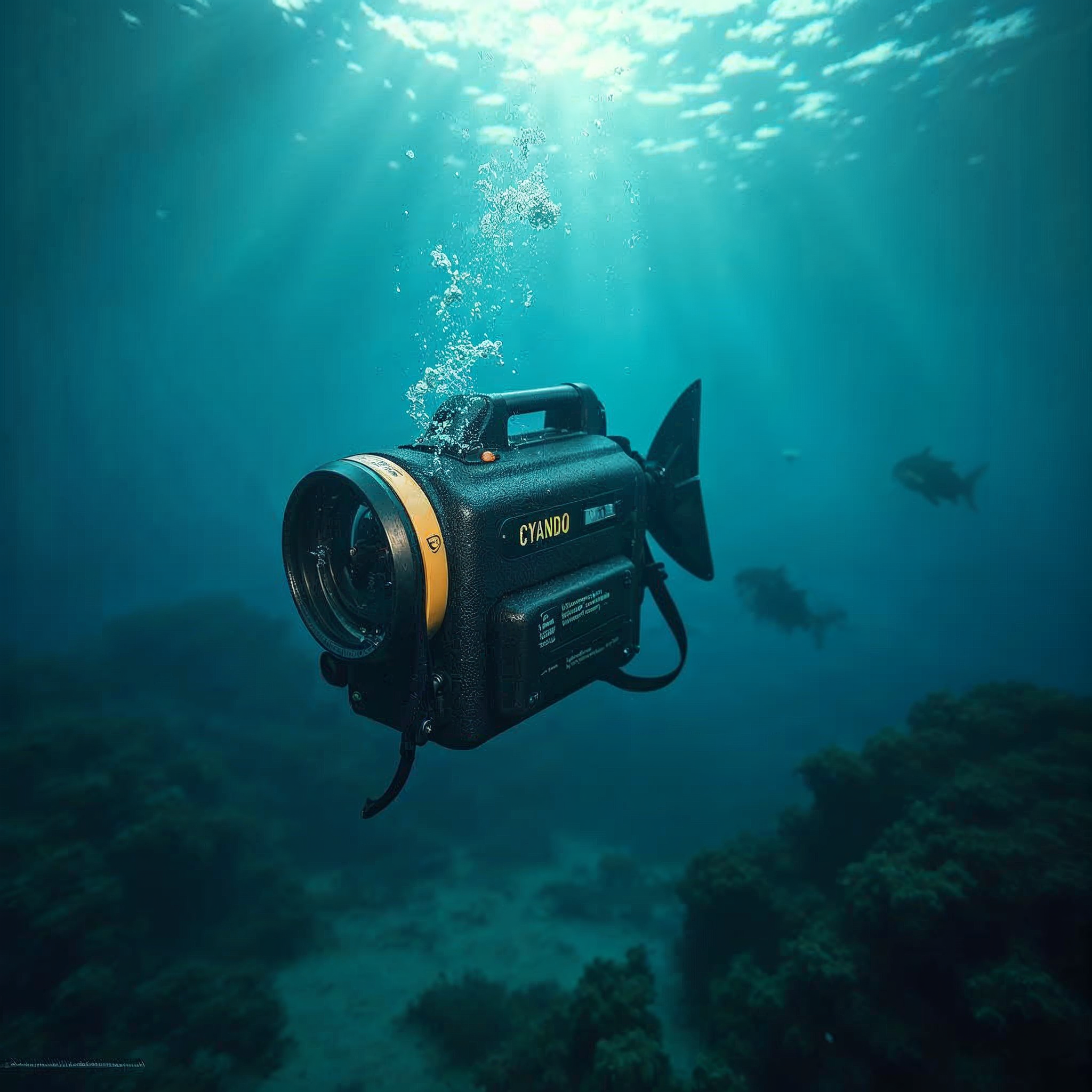
Fish finders are game-changers for anglers, transforming the way you approach fishing. They use sonar technology to scan water depths and reveal hidden fish and structures. Let’s explore the different types of fish finders and how they work.
Types of Fish Finders
Fish finders come in various styles to suit different fishing needs. One popular type is the standalone fish finder, perfect for those who want a simple device dedicated to finding fish. These are often equipped with clear displays and are easy to operate. Another type is the combo unit, which combines fish finding and GPS capabilities. This is ideal if you want to track your location and fish simultaneously.
For those who enjoy more advanced features, networked systems are excellent choices. These allow you to connect multiple devices, sharing data between them. Most people think that these are complicated, but they offer great flexibility and information-sharing. Choosing the right type depends on your fishing style and what you aim to achieve on your trips.
How Sonar Technology Works
Sonar technology is the heart of fish finders. It operates by sending sound waves into the water, which bounce back upon hitting objects like fish or the seabed. The device then interprets these signals to display images of what’s under your boat.
Imagine you’re in a new fishing spot. You won’t need to guess where the fish are hiding. With sonar, you receive a detailed view of the underwater world. The longer you wait to explore this tech, the more you might miss out on those trophy catches. Dive into this deep dive to learn more about the intricacies of sonar technology.
Choosing the Right Fish Finder

Now that you know how fish finders work, it’s time to decide which one suits you best. Picking the right fish finder involves considering several key features and how they align with your fishing style.
Key Features to Consider
When choosing a fish finder, focus on display quality, frequency options, and power. A high-resolution display ensures you see clear images, crucial for identifying fish and structures. Frequency options, like single or dual-frequency, impact what you see on the screen. Higher frequencies give detailed images, while lower ones cover more area.
Power matters too. More power means stronger sonar signals, penetrating deeper waters and giving faster readings. Don’t just settle for any device. Think about where you’ll fish most often. For beginners, a basic model with essential features will do. But for pros, investing in a device with robust capabilities can be beneficial.
Matching Finder to Fishing Needs
Selecting a fish finder also depends on your fishing habits. Do you prefer freshwater or saltwater fishing? Each requires different features. Freshwater anglers might opt for devices with better shallow-water performance. Saltwater, on the other hand, demands durability and depth capabilities.
Consider the type of fish you target. Larger fish often require different detection settings than smaller ones. Most people assume one device fits all, but personalization leads to better results. For more foundational knowledge, this discussion on fish finder basics can be helpful.
Enhancing Your Fishing Experience
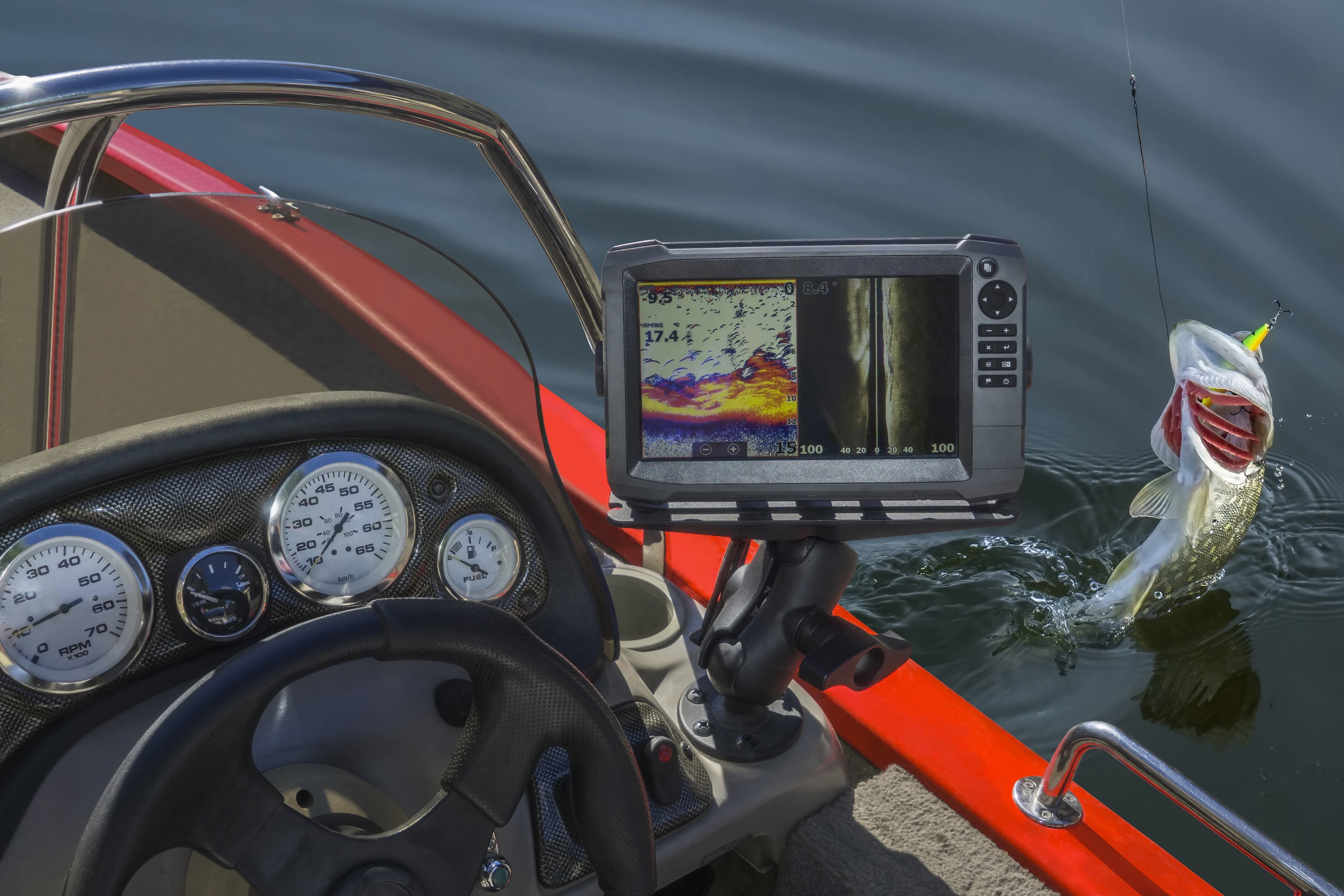
With the right fish finder, you’re not just catching fish. You’re enhancing the whole experience. These tools help you understand underwater structures and adopt successful fishing strategies.
Identifying Underwater Structures
Underwater structures are fish magnets. Fish finders help you spot these hidden areas, like drop-offs, reefs, and vegetation. Identifying these spots increases your chances of finding fish lurking around them. Imagine seeing a school of fish instead of guessing their location. That’s the power of understanding your underwater environment.
These insights change how you approach each fishing trip, turning guesswork into informed strategy. You can start planning your fishing days around these structures, significantly improving your catch rate.
Practical Fishing Tips for Success
Here’s the key insight: Knowing how to use your fish finder effectively is crucial. Start by familiarizing yourself with its settings. Practice in different environments to understand how readings change. Use your device to mark favorite spots, creating a reliable log of successful locations.
Don’t rush into areas hoping for the best. Instead, plan your day based on what your fish finder reveals. Most believe that patience is key, but with technology, it’s also about smart planning. The longer you wait to embrace these tools, the more opportunities you might miss.
In summary, fish finders are essential for modern fishing. They offer insights that transform your outings, turning them from routine to extraordinary. So, equip yourself with the right device, learn its features, and watch your fishing skills soar.