
How to Choose a Fish Finder: A Guide for Every Fishing Enthusiast
Most anglers waste hours guessing where fish might be hiding. Fish finder technology cuts through the guesswork by showing real-time details about underwater structures, depths, and fish activity. If you want to know how to choose a fish finder that fits your fishing style and learn which features matter most, this guide will help you maximize fishing success with the best fish finders for anglers today. Check out this link for more insights on fish finders.
Understanding Fish Finder Technology

Let’s dive into the fascinating world of fish finder technology. This section will help you grasp the basics, how they operate, and why they’re a game-changer for anglers.
Basics of Fish Finder Technology
Fish finders are like magic glasses for water. These devices use sonar to locate fish and other underwater features. The sonar sends sound waves to create images of what’s underneath your boat. This technology is crucial for understanding what’s below the surface. Nowadays, even entry-level models offer impressive capabilities, making them accessible to everyone. Whether you’re a casual fisher or a seasoned pro, knowing this tech can transform your angling adventures.
How Fish Finders Work
Curious about how these gadgets work? It’s simpler than you think. Fish finders emit sound waves that bounce off objects underwater. When these waves return, the device creates a visual representation on the screen. This helps you identify the depth, structure, and presence of fish. Knowing how to read this data is crucial. Take some time to familiarize yourself with the interface, and soon you’ll be predicting fish movements like a pro.
Benefits for Anglers
Why should you consider using a fish finder? The benefits are numerous. First, you’ll save time by heading straight to productive fishing spots. Second, you’ll catch more fish by understanding their habits and habitats. Lastly, you’ll enjoy a more rewarding fishing experience with the added thrill of seeing what’s below. Using a fish finder transforms fishing from a guessing game into a strategic pursuit.
Choosing the Right Fish Finder
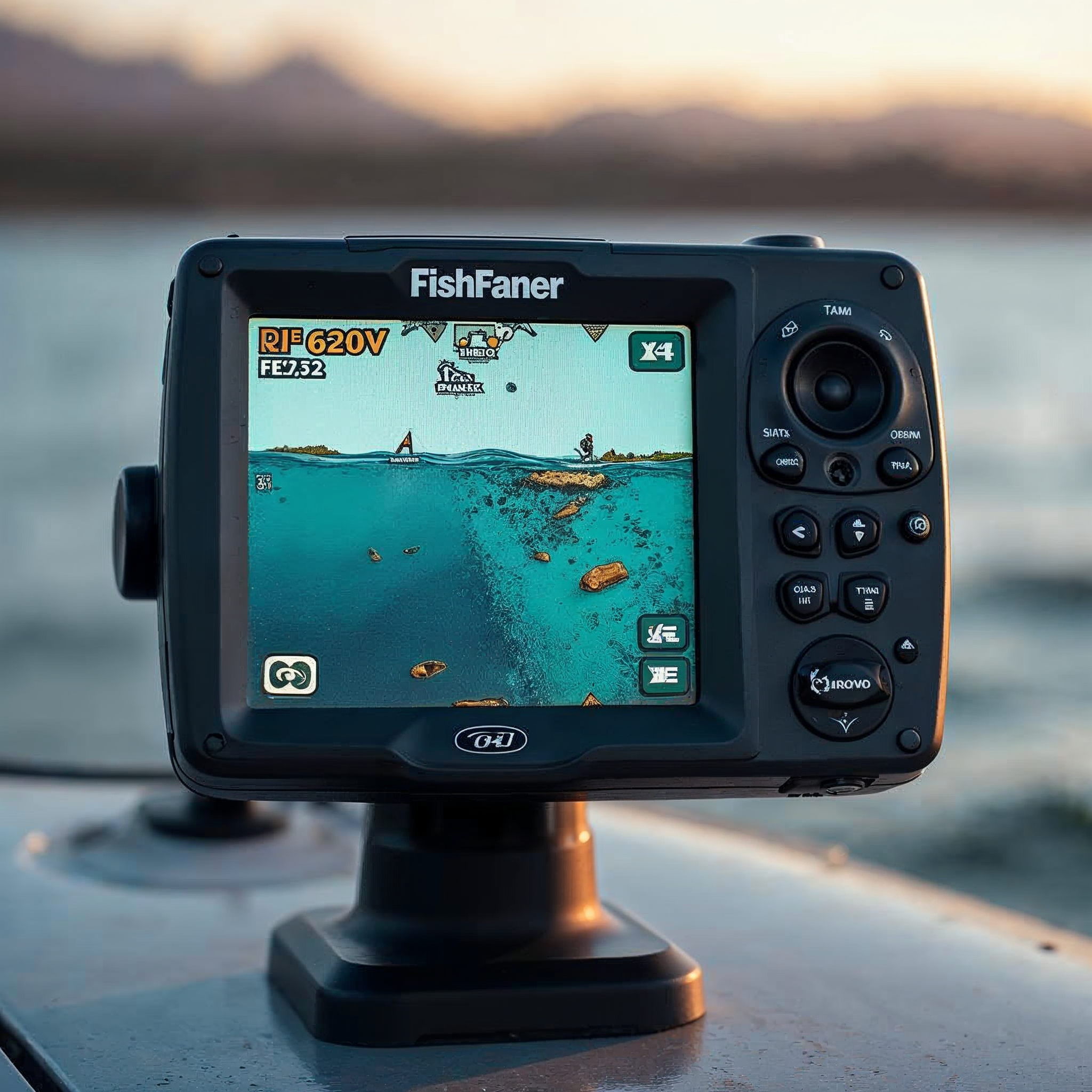
Now that you understand the technology, it’s time to choose the right fish finder. Let’s explore how to match the device to your fishing style and the features that matter most.
Consider Your Fishing Style
Your fishing style plays a significant role in selecting a fish finder. Do you fish in deep sea waters or shallow lakes? If you prefer deep sea fishing, opt for a model with powerful sonar capabilities. For lake fishing, a simpler device might suffice. Additionally, consider whether you fish from a boat or shore. Portable options are available for those on the move. Evaluate your needs and pick a device that complements your routine.
Top Fish Finder Features
What features should you look for in a fish finder? Start with the display. A clear, easy-to-read screen is essential. Next, consider the sonar type. Dual-frequency sonar provides versatility for various depths. GPS integration is another valuable feature, aiding in navigation and location marking. Advanced models offer CHIRP sonar, which delivers detailed images. Identify the features that align with your fishing needs to maximize your investment.
Best Fish Finders for Anglers
Ready to explore the best options on the market? There are fish finders to suit every budget and expertise level. Brands like Humminbird, Garmin, and Lowrance offer reliable and innovative models. The Humminbird Helix series is popular among serious anglers for its high-resolution imaging. For those on a budget, the Garmin Striker series provides excellent functionality without breaking the bank. Do your research and choose a model that fits your fishing ambitions.
Tips to Maximize Fishing Success
Armed with the right fish finder, you’re on the path to success. Let’s delve into setup tips, data interpretation, and real-life applications to enhance your fishing trips.
Proper Fish Finder Setup
Setting up your fish finder correctly is crucial for accurate readings. Start by mounting the transducer properly. It should be placed where it won’t be obstructed by boat elements. Ensure the screen is visible in various lighting conditions. Adjust settings such as sensitivity and depth range to match your environment. A well-configured device will provide better data, leading to more precise fishing strategies.
Interpreting the Data
Understanding the data displayed on your fish finder is key. Learn to differentiate between fish, structures, and the seabed. Fish icons might seem helpful, but understanding raw sonar returns gives you an edge. Pay attention to the depth and size of fish arches. Use practice and experience to hone your skills. Soon, you’ll interpret the signals like a seasoned angler, making informed decisions on when and where to cast your line.
Real-Life Application in Fishing
Putting your fish finder to real use is where the fun begins. Picture this: You’re on a lake, and the screen shows a school of fish near a drop-off. You cast your line and feel the thrill of a bite. Fish finders turn fishing trips into adventures filled with anticipation and success. By understanding and utilizing this technology, you enhance every outing. Don’t just hope to catch fish—plan to succeed with your trusted device. For further reading on interpreting your fish finder screens, check this forum discussion.
In summary, fish finder technology is a transformative tool for any angler. By understanding its benefits, choosing the right model, and learning how to use it effectively, you can significantly enhance your fishing experiences. Happy fishing!