
Mastering Cold Water Fishing: Techniques and Gear for Success
Cold water fishing isn’t just about braving the chill—it demands a different approach to outsmart fish when temperatures drop. You’ve probably noticed your usual tactics fall flat once the water cools. This guide walks you through the best practices for cold water fishing, from gear choices to proven techniques that help you catch more fish during winter’s toughest days. For more insights, check out this expert guide for late-fall success.
Understanding Cold Water Fishing

Cold water fishing presents unique challenges and rewards. To master it, you need to understand how various factors like water temperature affect fish behavior and activity.
Importance of Water Temperature
Water temperature plays a critical role in fishing success. As temperatures drop, fish metabolism slows, making them less active. This means they feed less frequently and become more selective about what they eat.
So, it’s essential to adjust your strategies to match these changes. Fish tend to seek out warmer pockets of water, often found near structures like rocks or logs. Knowing where to find these spots can make all the difference.
Seasonal Fishing Patterns
Seasonal changes influence fish behavior significantly. In colder months, fish often migrate to deeper waters where temperatures are more stable. This shift can disrupt your usual fishing spots.
Understanding these patterns helps you anticipate where fish might be and adjust your approach accordingly. For instance, during winter, bass often move to deeper, more stable environments, requiring anglers to adapt their techniques.
Common Cold-Water Species
When fishing in colder waters, you’ll encounter species that thrive in lower temperatures. Popular cold-water targets include trout, bass, and pike. Each species has its own set of behaviors and preferences during colder months. For example, trout remain active in cold water, often feeding near the surface, while bass might be more sluggish, requiring slower bait presentations.
Essential Gear for Cold Water Fishing

Having the right gear is crucial for cold water fishing. It ensures comfort and increases your chances of success.
Clothing and Insulation
Staying warm is key to enjoying your time on the water. Dress in layers, starting with a moisture-wicking base layer to keep sweat away from your skin. Add insulating layers like fleece or wool, and top it off with a waterproof, windproof jacket.
Don’t forget thermal gloves and a hat to prevent heat loss. Remember, being warm and dry keeps you focused and responsive, enhancing your overall fishing experience.
Selecting the Right Rod and Reel
Choosing the right rod and reel combination is vital for cold water fishing. Opt for a medium to heavy-action rod, which offers the strength needed to handle larger cold-water species. Pair it with a reel that features a smooth drag system, ensuring you can manage fights with powerful fish. A balanced setup will improve your casting distance and accuracy, crucial for reaching deeper, colder waters.
Bait and Lure Selection
Selecting the right bait and lures can significantly impact your success in cold water. In chilly conditions, fish are less aggressive and prefer slower-moving prey. Use lures that mimic the slow movement of natural prey, such as jigs or soft plastics. You can find some effective jig tactics in this cold water jig guide. Live bait like minnows can also be effective, as their natural movement attracts sluggish fish.
Cold Water Fishing Techniques

Adapting your techniques to the colder conditions can enhance your catch rate. Here’s how you can tweak your methods for better results.
Slow Retrieval Methods
In cold water, a slow retrieval is often your best approach. Fish are less likely to chase fast-moving bait, so slowing down your presentation increases your chances of enticing a bite. Experiment with different speeds, allowing your lure to mimic the natural, slow movement of prey. Patience is key here; give fish ample time to strike.
Deep Water Strategies
Fishing in deeper waters can be more productive during the colder months. Fish often move to deeper areas, where temperatures are more stable. Use weighted lures to reach these depths and employ a vertical jigging technique to attract fish.
This approach can be particularly effective for species like bass, which tend to stay deeper in colder weather. Delve deeper into these strategies with this expert advice.
Effective Casting Techniques
Casting in cold water conditions requires precision. Focus on areas where fish are likely to congregate, such as near structures or deep drop-offs. Use a sidearm cast for better accuracy in windy conditions. Practice makes perfect; the more accurate your cast, the greater your chances of landing a catch.
Best Practices for Cold Water Fishing
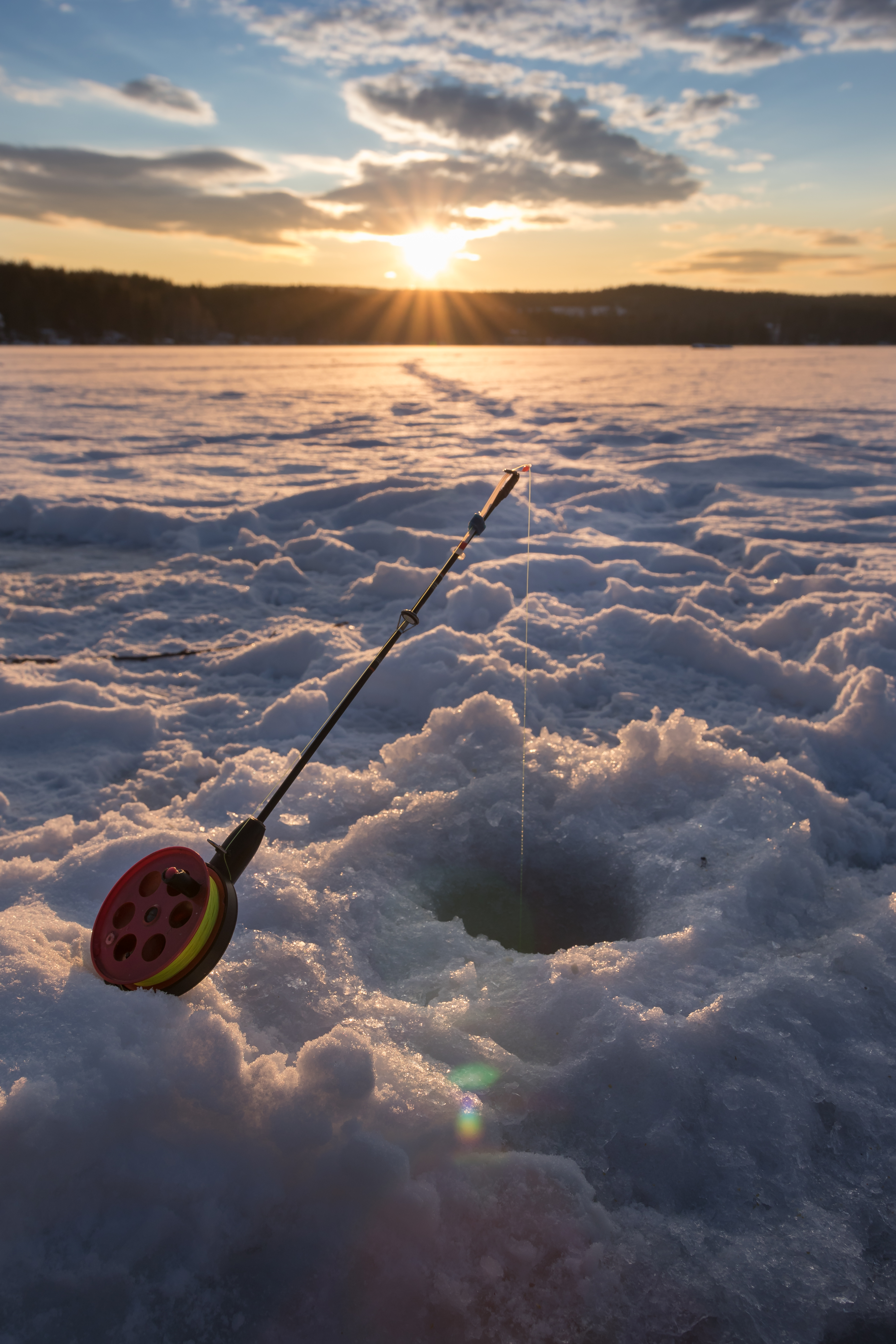
To fish responsibly during cold conditions, it’s essential to follow certain best practices that ensure safety and sustainability.
Safety Measures
Safety should always be your top priority. Wear a life jacket, especially when fishing from a boat. Cold water increases the risk of hypothermia, so always let someone know your fishing plans.
Pack a safety kit with essentials like a first aid kit, thermal blanket, and waterproof matches. Keep your mobile phone in a waterproof case for emergencies.
Conservation Tips
Respect the environment and practice catch and release whenever possible. Use barbless hooks to minimize harm to fish. Avoid overcrowding fish in live wells and handle them as little as possible to reduce stress. These practices help preserve fish populations for future anglers.
Local Regulations and Guidelines
Familiarize yourself with local fishing regulations and guidelines before heading out. Rules can vary by region, including catch limits and specific species protections. Following these guidelines helps maintain healthy fish populations and ensures you’re fishing legally and ethically.
Fishing Tips for Cold Water
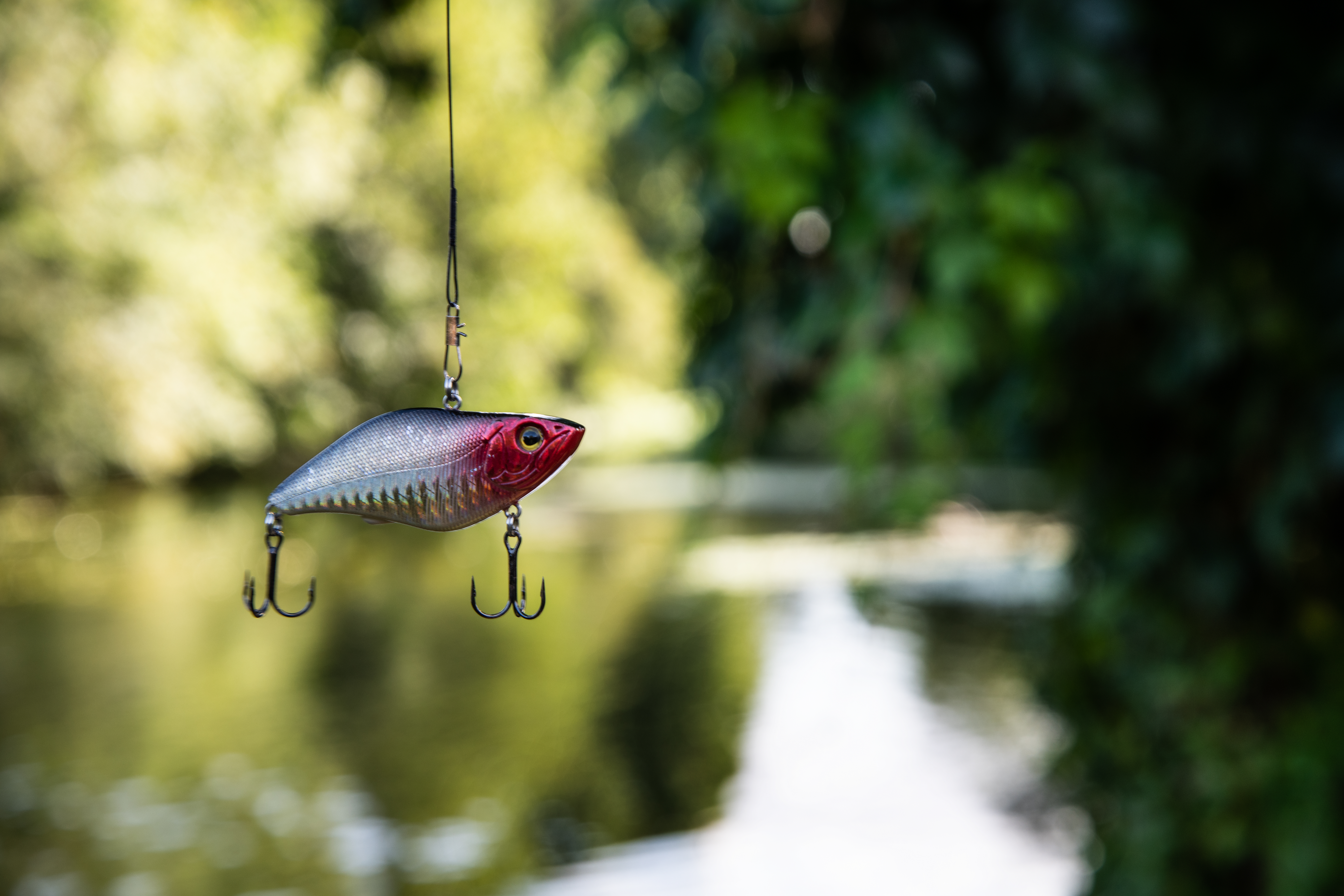
Understanding the environment and timing your efforts can greatly impact your winter fishing success.
Reading the Water
Learning to read the water is a valuable skill. Look for signs of fish activity, such as ripples or birds diving for prey. Use polarized sunglasses to reduce glare and spot fish beneath the surface. Understanding these clues helps you locate fish more efficiently.
Timing and Patience
Timing is crucial when fishing in cold water. Fish are more likely to be active during warmer parts of the day, such as midday. Be patient and give yourself plenty of time to observe and adapt to the fish’s behavior. Remember, persistence often leads to success.
Weather and Environmental Considerations
Pay attention to weather patterns and how they affect fish behavior. Overcast days can be more productive, as fish tend to feed more actively in low light conditions. Avoid fishing immediately after a cold front, as fish often become inactive.
Understanding these environmental factors can significantly improve your chances of success. For more tips, check out this informative guide.
Mastering cold water fishing requires adapting to unique conditions and staying informed about best practices. By understanding key factors like water temperature and seasonal patterns, and equipping yourself with the right gear and techniques, you can enhance your fishing experience and success rate. Remember, patience and preparation are your best allies on the water.