
Types of Fishing Lines: Strengths, Weaknesses, and Picking the Best for Spearfishing
Most spearfishers underestimate how much the right spear fishing line changes their catch. Using the wrong type can snap your connection at the worst moment or drag through the water too slowly. Knowing the strengths and weaknesses of different types of fishing lines helps you pick gear that matches your style and conditions. Read on to get clear guidance on choosing, maintaining, and staying safe with your fishing line underwater. For more insights, check out this resource.
Exploring Fishing Line Types
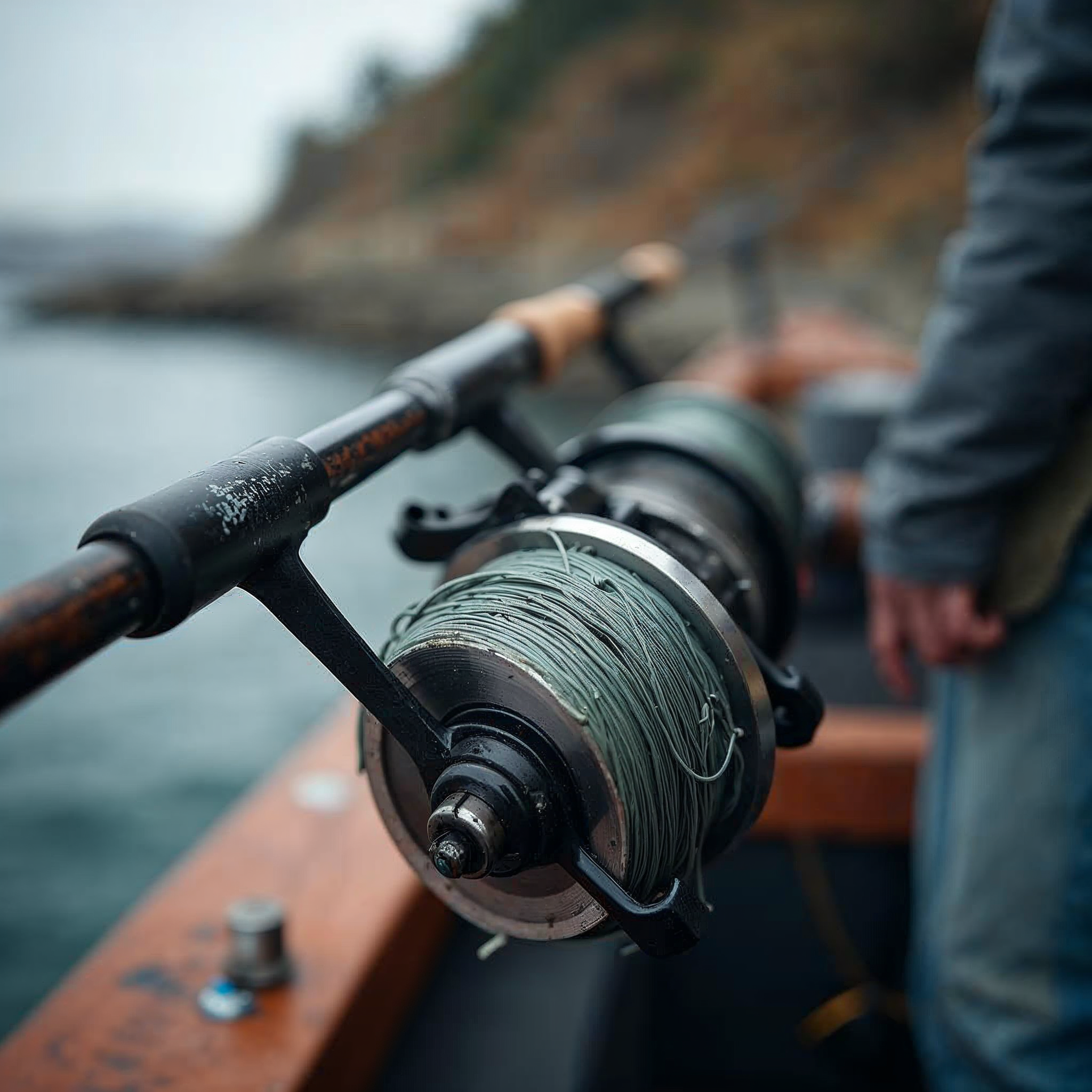
When it comes to picking the best spear fishing line, knowledge is your greatest ally. Let’s dive into the specifics of different lines available.
Monofilament Characteristics
Monofilament is the all-around player in the fishing world. Easy to handle, it’s a fan favorite for many. Its stretchability makes it forgiving, absorbing shocks well when a fish pulls. This quality can mean fewer lost catches due to sudden tugs.
However, monofilament has its downsides. It tends to degrade over time, especially with sun exposure. This could lead to unexpected breaks. For those who fish frequently, this means replacing it more often to avoid losing your prized catch. Check out this article for more on monofilament lines.
Braided Line Benefits
Braided lines are known for strength. They offer a thin diameter with unmatched power, allowing you to reel in heavier catches. This makes them ideal for deep waters where bigger fish reside.
But beware of their low stretch. This means they offer less forgiveness when a fish makes a run. Also, they can be harder to knot securely. Learning proper knot techniques can prevent frustrating slip-ups.
Fluorocarbon Advantages
Fluorocarbon is the stealthy option. Invisible underwater, it’s perfect for clear water conditions. Fish won’t spot the line, so your bait looks more enticing.
Fluorocarbon also sinks faster than mono, making it great for deep-water fishing. But its stiffness can be a challenge. Handling it requires a bit of practice. For a more detailed look, explore this resource.
Evaluating Strengths and Weaknesses
Understanding the strengths and weaknesses of each line empowers you to make informed decisions.
Breaking Strength Insights
The breaking strength of a line can make or break your fishing trip. Monofilament, for example, offers moderate strength, suitable for everyday catches. However, for tackling the big ones, braided lines shine. They provide higher breaking strength with less diameter, which is crucial for deep-sea adventures.
Braided lines, although strong, require careful handling. Their thinness can cut into your hands if not managed correctly. Consider gloves for added protection.
Abrasion Resistance Factors
Abrasion resistance is key when fishing near rocks or rough surfaces. Monofilament, while versatile, doesn’t excel here. Braided lines perform better but still need careful monitoring.
Fluorocarbon comes out on top with its superior abrasion resistance. This makes it a top choice near reefs and rocky areas. Protect your line by checking it regularly for nicks or wear.
Visibility and Sensitivity
Visibility can greatly affect your catch rate. Monofilament is more visible, which may spook fish in clear waters. Fluorocarbon, by contrast, blends seamlessly, making it ideal for these conditions.
Sensitivity is another factor to consider. Braided lines offer heightened sensitivity, allowing you to feel the slightest nibble. This can be a game-changer in detecting fish activity.
Choosing the Best for Spearfishing
Picking the right line involves matching it to your specific conditions and needs.
Matching Line to Conditions
Consider your fishing environment when selecting a line. For murky waters, monofilament’s visibility won’t matter as much. In clear waters, fluorocarbon gives you an advantage with its invisibility.
Deeper waters require strength, where braided lines excel. Adjust your choice based on where you’re fishing to maximize results.
Ensuring Underwater Safety
Safety underwater is paramount. Ensure your line is strong enough to handle unexpected catches yet manageable so it doesn’t tangle. Practice knot-tying until it becomes second nature. This skill can prevent mishaps on the water.
Maintenance Tips for Longevity
To extend your line’s life, inspect it regularly. Look for signs of wear, especially after long fishing sessions. Store your lines away from direct sunlight to prevent weakening. Proper maintenance keeps your tackle ready for the next adventure.
By understanding these aspects, you’re well-equipped to choose and maintain your spear fishing line effectively. Enjoy your next fishing adventure with confidence, knowing you’ve got the best tools for the job.