
The Future of Fish Locating Devices: What Every Angler Needs to Know
Forget everything you know about deep water fish finders. Many anglers still trust outdated sonar systems that miss key underwater details. Your next fishing trip could change once you understand how modern fish finder technology sharpens every cast and guides you to the best spots beneath the waves.
Advancements in Fish Finder Technology
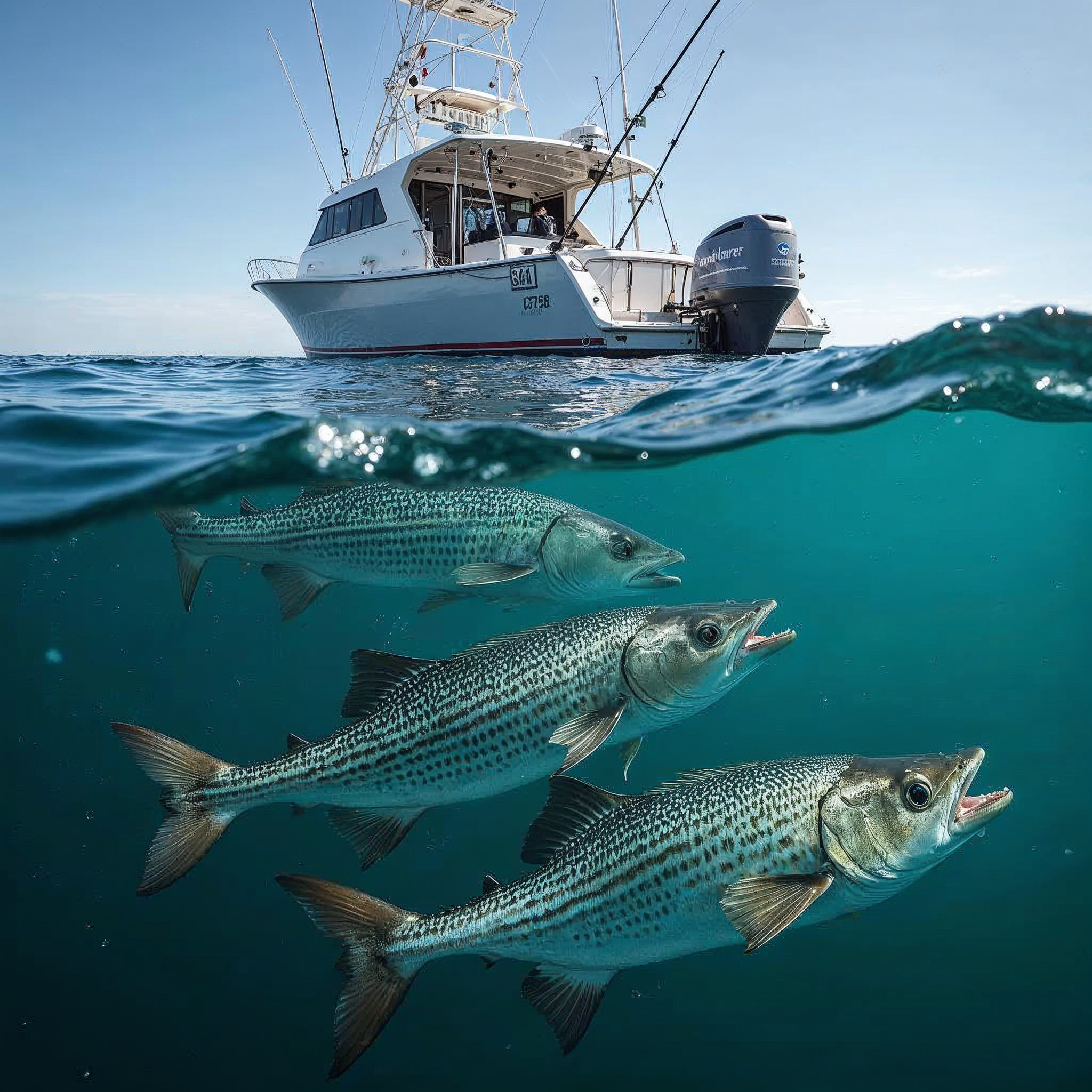
Let’s dive into the incredible progress of fish finder technology. This journey reveals how these devices have transformed our understanding of underwater worlds.
Evolution of Sonar Systems
Sonar systems have come a long way since their inception. Initially developed for naval purposes, these systems used sound waves to detect objects underwater. Early models were basic, offering limited detail on fish locations. But as time progressed, sonar technology evolved. Now, using advanced algorithms, modern systems provide detailed imagery of what lies beneath the surface.
Today, fish finders use high-frequency sonar to deliver crisp, clear images. You no longer have to guess where the fish might be hiding. Instead, these systems offer precision, showing you exact locations. This advancement means more successful fishing trips and more time enjoying the catch.
The evolution hasn’t stopped. Continuous improvements mean we see better battery life and more user-friendly interfaces. With each upgrade, underwater sonar systems become more reliable and efficient.
Key Features of Modern Devices
Modern fish finders offer features that make fishing more enjoyable and productive. Let’s look at some standout features that make these devices must-haves.
First, GPS integration is a game-changer. This feature allows you to mark successful spots, ensuring you can return to them later. No more navigating blindly, hoping to stumble upon good fishing grounds. GPS makes it easy and precise.
Next, high-resolution displays are a boon for anglers. These screens provide clear visuals of the underwater environment. You can easily distinguish between fish and other objects, making your time on the water more productive.
Lastly, modern devices are compact and portable. Gone are the days of bulky equipment taking up space on your boat. These sleek designs fit seamlessly into your fishing gear, enhancing convenience without compromising on functionality. For more on the benefits of installing these devices, check out this guide.
Choosing the Best Fish Finders
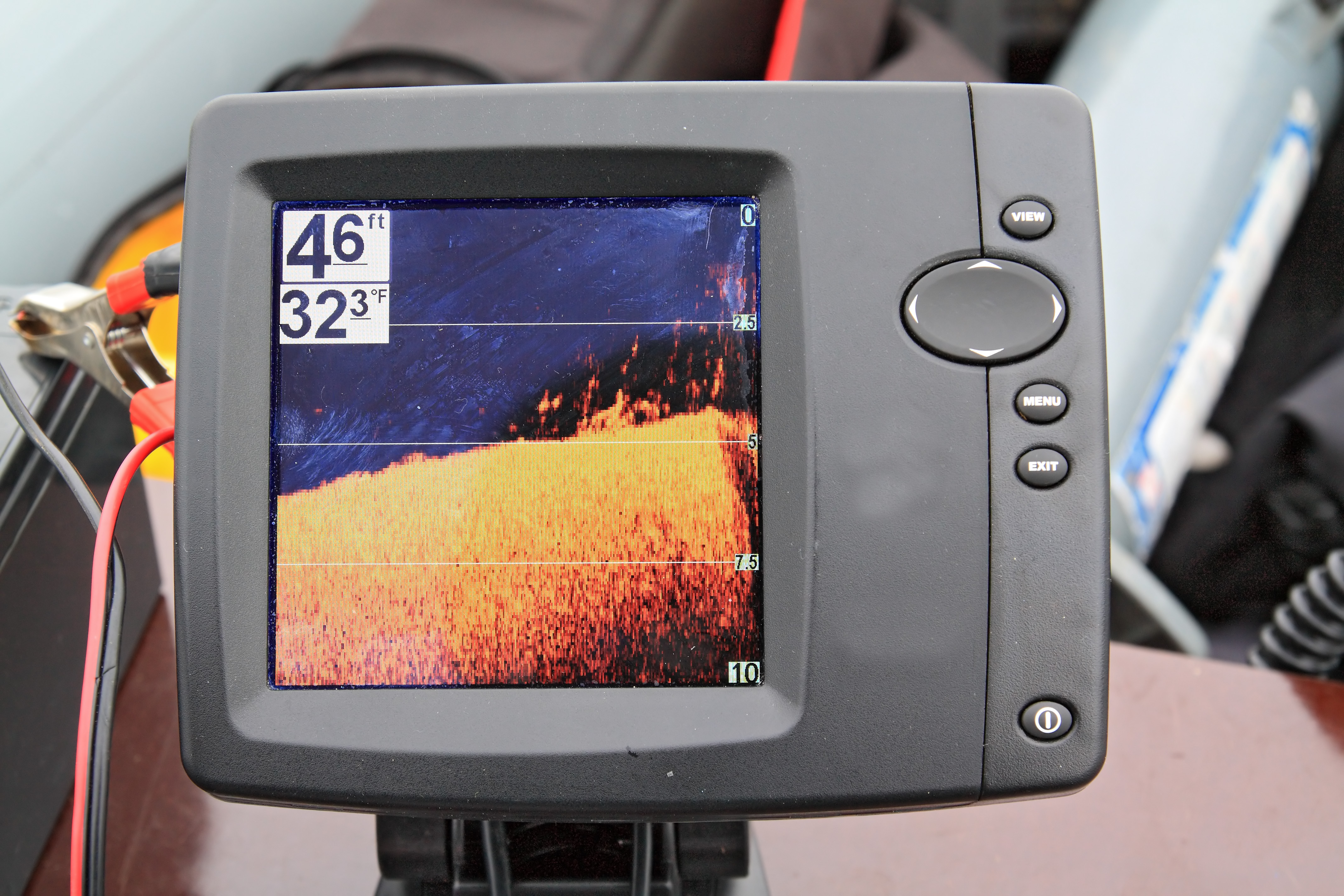
With so many options available, picking the right fish finder can be daunting. Let’s explore how to make an informed choice.
Comparing Top Fishing Electronics
Not all fish finders are created equal. Different models cater to various needs and budgets. Some prioritize advanced features, while others offer basic functionalities at a lower cost. It’s essential to weigh your options carefully.
When comparing fishing electronics, focus on key specs like screen resolution, frequency range, and power output. High-resolution screens provide clearer images, essential for distinguishing fish from debris. Higher frequency ranges are ideal for shallow waters, while lower frequencies penetrate deeper waters better. Power output affects the device’s ability to send and receive sonar signals effectively.
Read reviews and ask for recommendations from fellow anglers. Often, the best insights come from those who have firsthand experience with different models.
Essential Boat Accessories for Anglers
Equipping your boat with essential accessories can make a significant difference in your fishing experience. These tools ensure you’re always ready for any situation on the water.
Start with a reliable fish finder. This device is indispensable for locating fish quickly. Next, consider adding a trolling motor. It allows for quiet movement, preventing disturbances that might scare fish away.
Don’t forget about safety gear. Life jackets and first aid kits are non-negotiable. Also, pack a good cooler to keep your catch fresh until you return ashore. With these accessories, you’re set for a successful day of fishing.
Impact on Fishing Experience
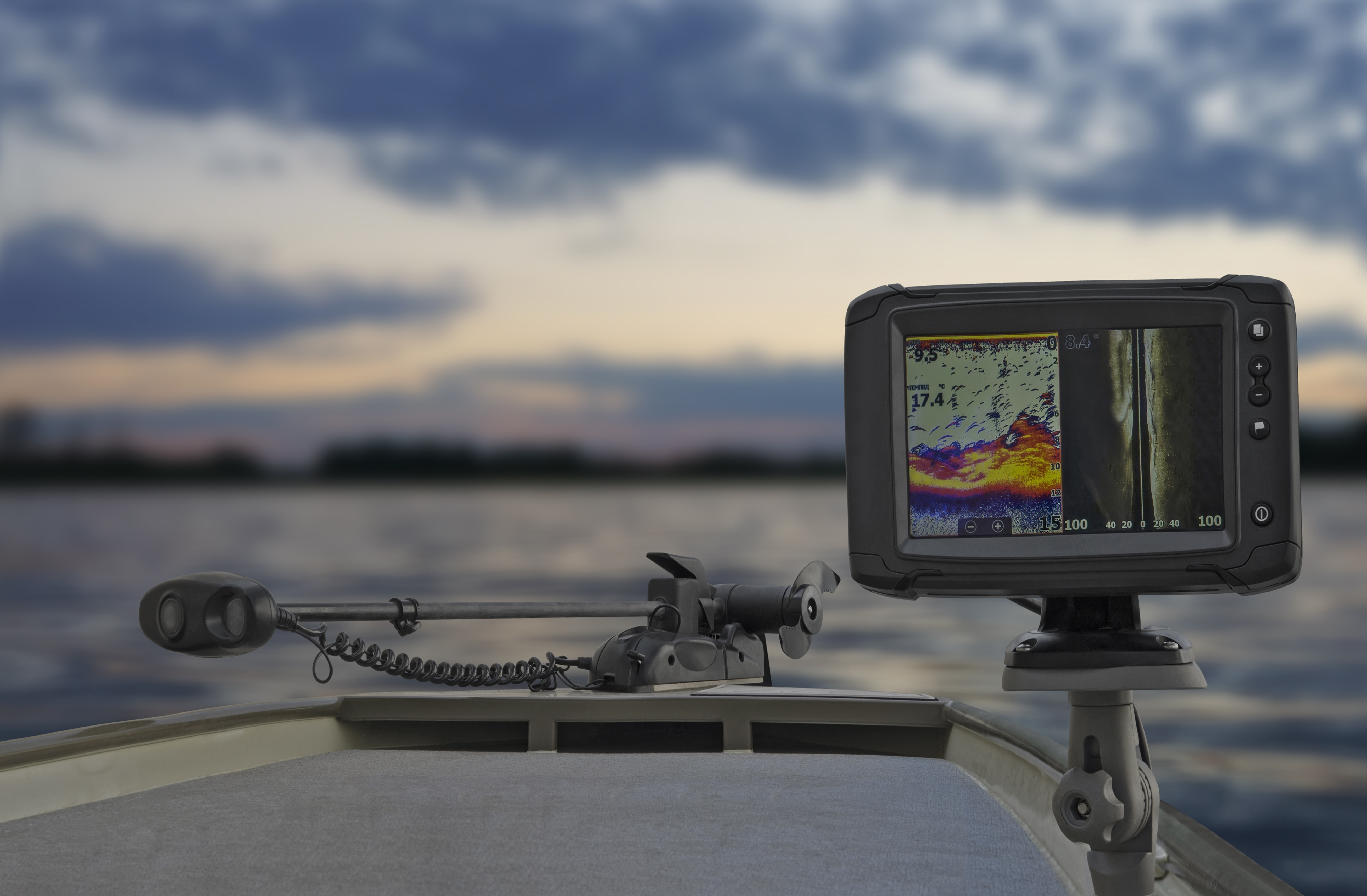
The developments in fish finder technology have revolutionized how we fish. Here’s how these changes impact deep water fishing and benefit marine enthusiasts.
Enhancing Deep Water Fishing
Deep water fishing poses unique challenges. With limited visibility and vast areas to cover, finding fish can be daunting. But modern fish finders make it easier.
These devices offer real-time data, helping you pinpoint exact fish locations. You can now explore new areas with confidence, knowing you have the tools to guide you. This technology transforms deep water fishing from a guessing game into a strategic adventure.
Moreover, these devices reduce the time spent searching, allowing you to focus on the thrill of the catch. The longer you wait to embrace these technologies, the more you miss out on what could be your best fishing experiences yet.
Benefits for Marine Biologists and Hobbyists
Beyond recreational fishing, fish finders offer immense value to marine biologists and hobbyists. These tools provide detailed insights into aquatic environments, aiding research and observation.
Biologists use these devices to study fish behavior and habitat. The detailed sonar images help them understand species distribution and movement patterns. This data is crucial for conservation efforts and sustaining marine biodiversity.
For hobbyists, fish finders enhance the exploration of marine life. Whether you’re a casual observer or a dedicated enthusiast, these devices open up new worlds beneath the waves. Experience the joy of discovering underwater landscapes with clarity and precision.
In conclusion, the evolution of fish finder technology has transformed how we interact with aquatic environments. Whether you’re a seasoned angler or a curious marine enthusiast, these devices offer tools to enrich your experience. Equip yourself with the best fish finders and explore the wonders beneath the water with confidence.