
How to Store Fishing Poles: Prolonging Your Gear’s Lifespan
Most fishing poles don’t survive the off-season in one piece. You might not notice damage until your next trip, when tangled lines or worn gear ruin the day. Seasonal fishing pole storage isn’t just about putting rods away—it’s about protecting your investment and keeping your gear ready for action. This guide will show you how to store fishing poles properly, clean them right, and organize your tackle to avoid headaches later. For more tips, check out this link.
Importance of Seasonal Storage
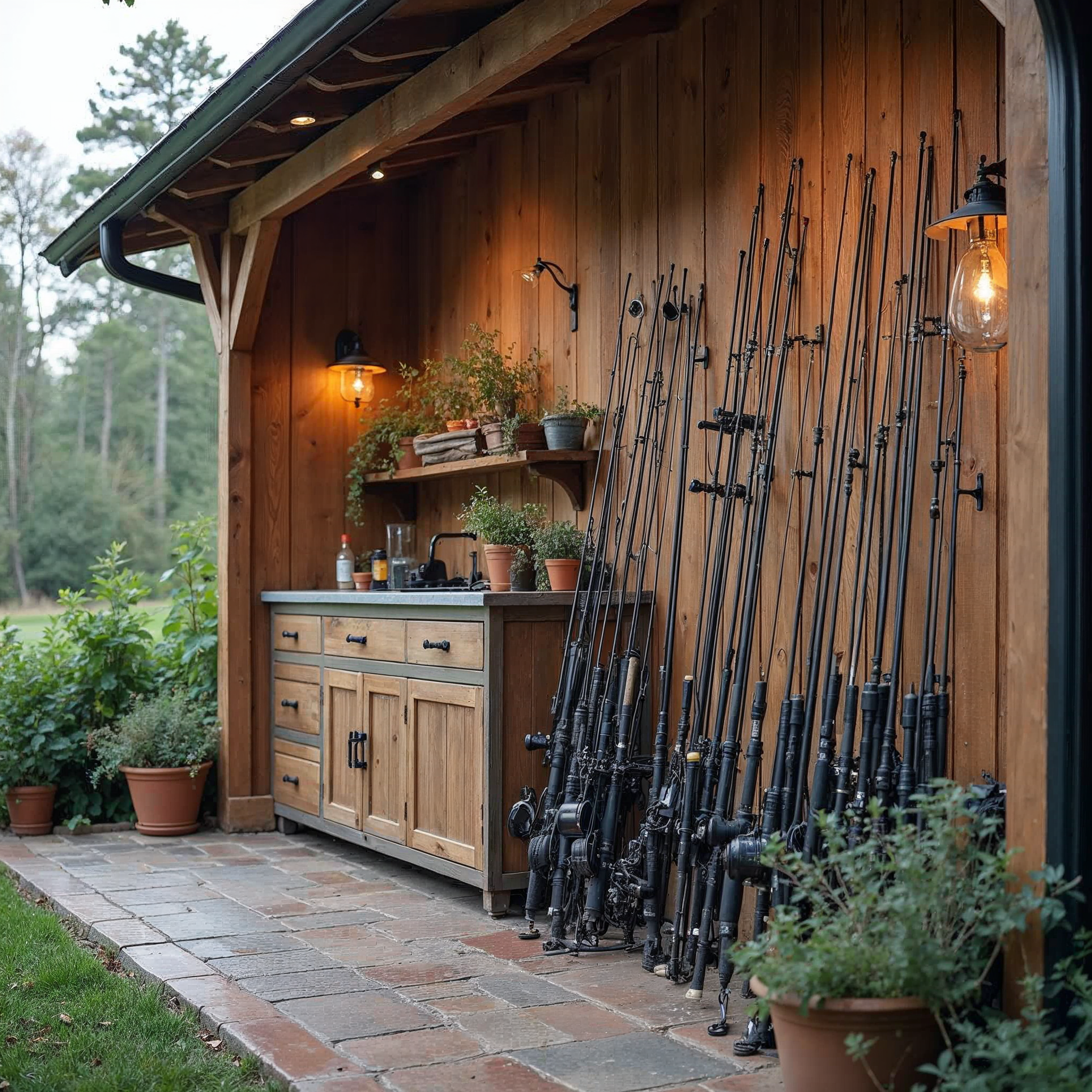
Proper storage of your fishing poles during the off-season is crucial for maintaining their integrity. Let’s dive into why it matters and what could go wrong.
Benefits of Proper Storage
Taking care of your fishing gear means longer-lasting equipment. When you store your poles correctly, you prevent damage and ensure they’re ready for the next fishing season. Imagine the ease of grabbing your gear without worry, knowing it’s in top shape. Proper storage keeps your rods straight and your lines untangled. It also prevents corrosion—a common enemy of fishing gear. By securing your equipment properly, you save money in the long term, avoiding costly replacements. Most anglers find that a bit of effort now means hassle-free fishing later.
Risks of Poor Storage
Ignoring proper storage can lead to broken poles and tangled lines. Leaving your gear in damp areas can cause rust, weakening the components. Damaged equipment not only costs you money but also time. Picture planning a fishing trip only to discover your gear is useless. That’s a frustration you can avoid. Improper storage often leads to equipment failure during your trip, turning an enjoyable day into a disappointing one. The longer you wait, the higher the chance of damage. For more on this, visit this resource.
Cleaning Your Fishing Poles
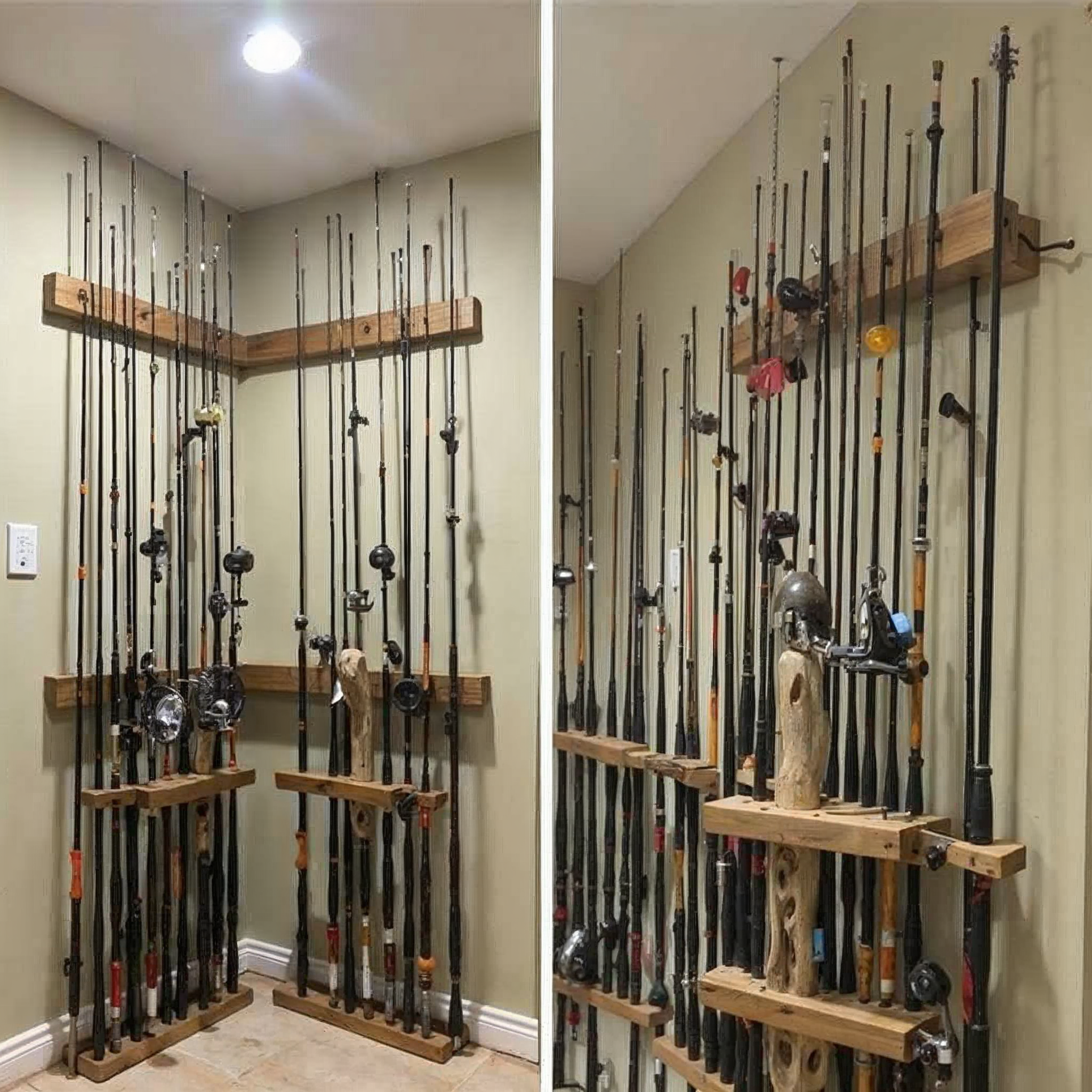
Before storing your fishing poles, cleaning them is crucial. Here’s what you need to know to get your gear sparkling clean.
Essential Cleaning Supplies
Gathering the right supplies is your first step. You’ll need mild soap, a soft cloth, and a toothbrush. A simple dish soap works wonders on grime. Use a toothbrush to reach into small parts and a cloth to wipe down surfaces. Having these supplies on hand ensures you’re prepared to clean your gear. Most people don’t realize how easy it is to clean with the right tools. Investing in a small brush set can make a world of difference.
Step-by-Step Cleaning Guide
Cleaning your fishing poles is straightforward. Start by rinsing them with fresh water to remove salt and dirt. Use soap on a cloth to scrub the surfaces, focusing on joints. The toothbrush helps clean the reel and handle. Rinse again and dry thoroughly. This process takes only a few minutes but extends the life of your gear. Don’t skip the drying step—moisture leads to rust. Many anglers overlook this, resulting in avoidable corrosion. For a visual guide, check out this video.
Choosing the Right Storage Environment
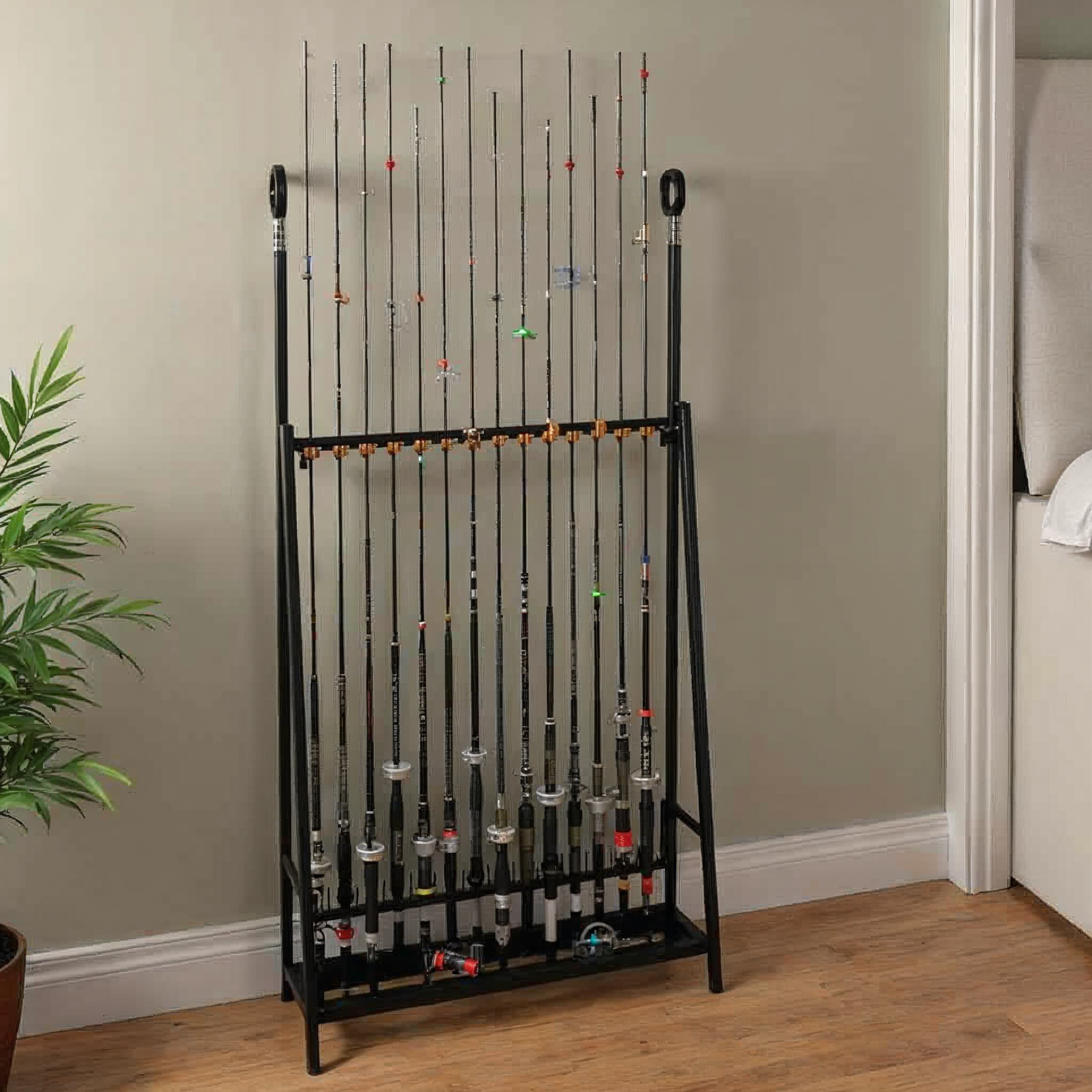
Storing your fishing poles in the right environment is essential. Let’s explore the best conditions and pitfalls to avoid.
Ideal Storage Conditions
Your fishing poles need a dry, cool place. Temperature fluctuations can warp the material, so a stable environment is key. Consider a dedicated storage area in your garage or basement. A rod rack is a simple addition that keeps your poles off the ground. Keeping them upright prevents warping and tangles. Most anglers find that dedicating a space for gear reduces clutter and protects equipment. Think about storage as protecting your investment.
Avoiding Common Mistakes
Avoid leaning your fishing poles against walls. This practice can cause bending over time. Also, don’t store them in damp areas—moisture is a silent killer. Secure your rods in a rack or sling to keep them upright. Most people mistakenly think any corner will do, but proper storage requires attention. Ensuring your gear is in a safe spot saves you from unexpected surprises. For more genius storage secrets, visit this article.
Organizing and Storing Tackle
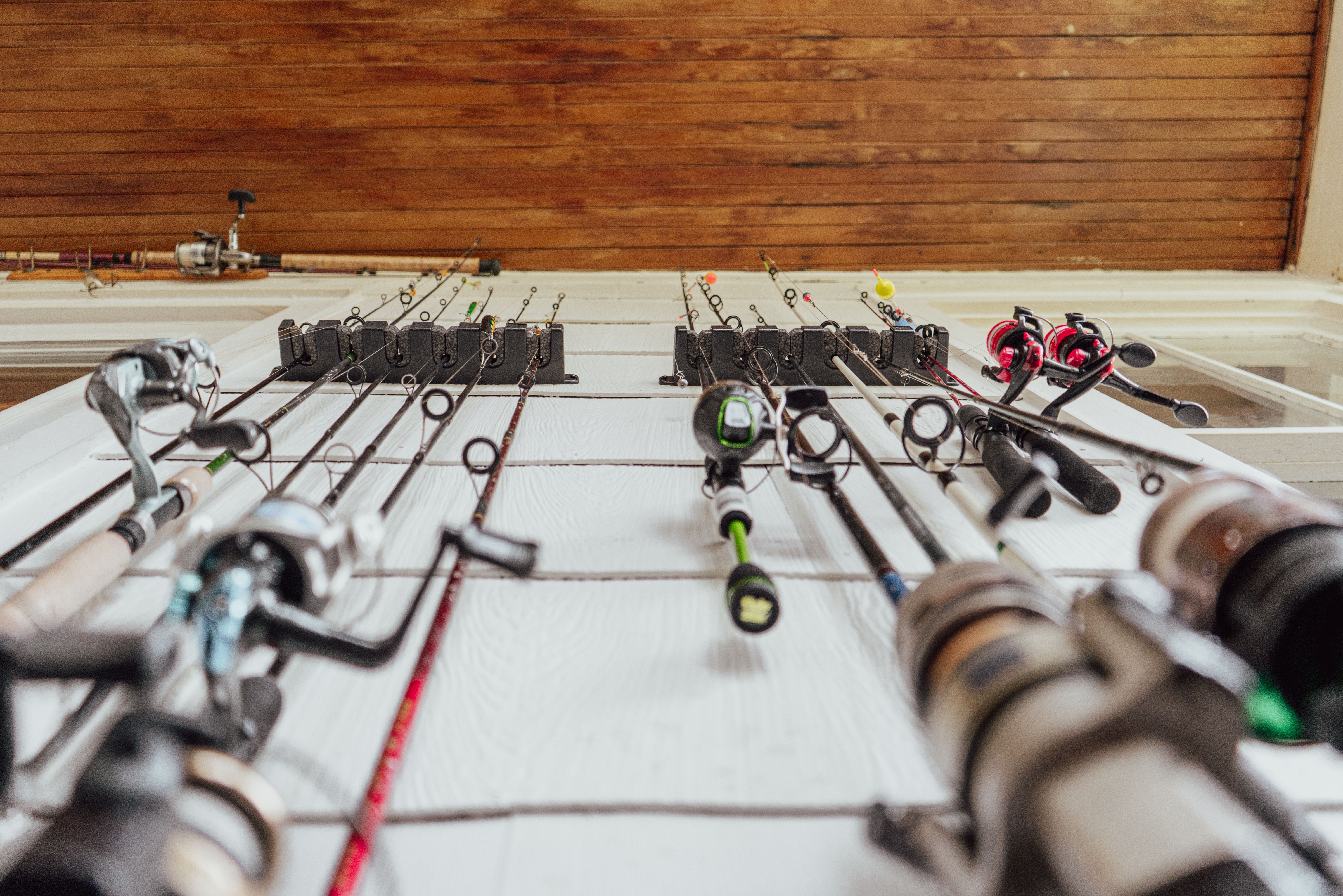
Your tackle needs attention too. Organized tackle means quick access and no tangled lines.
Preventing Tangles and Damage
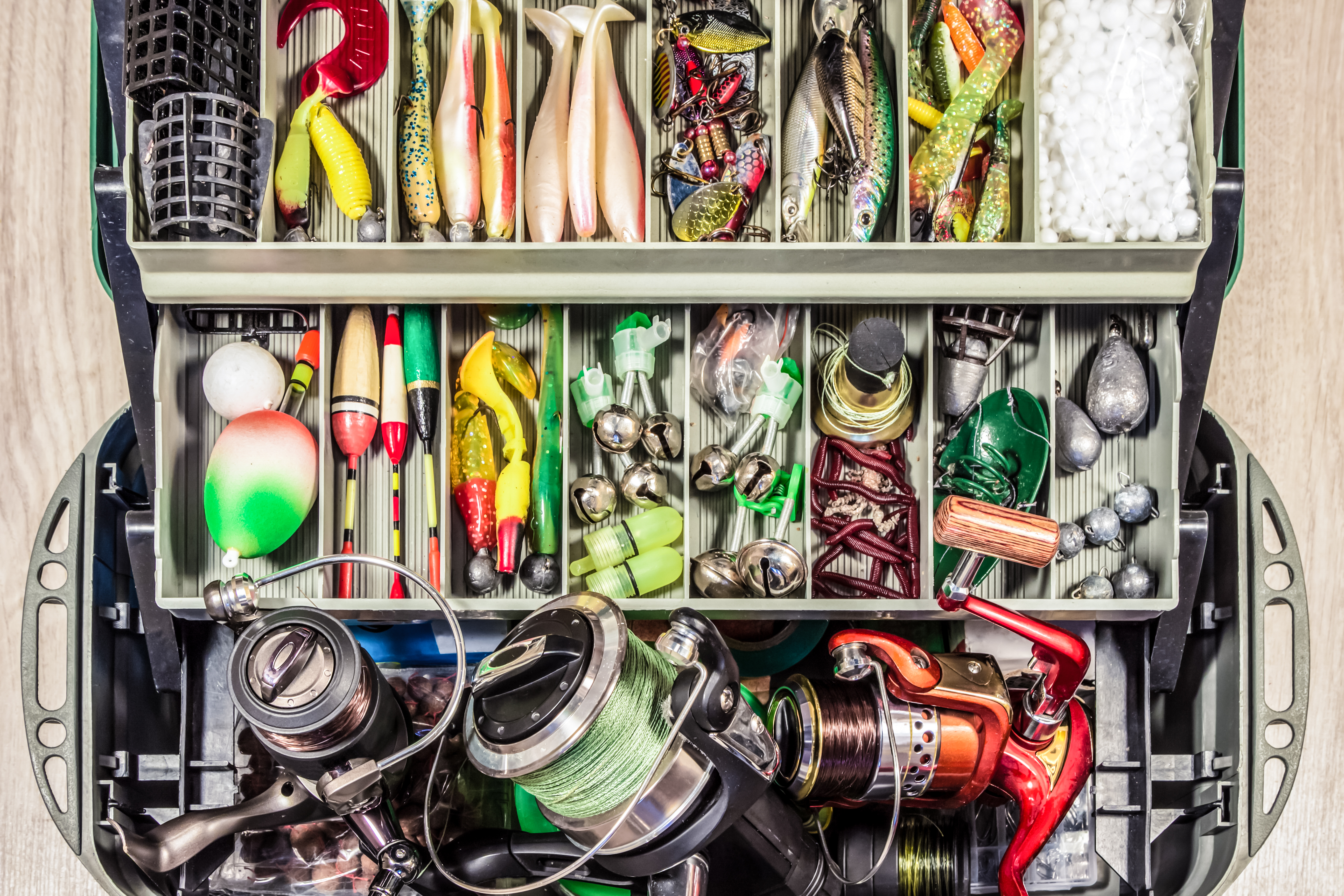
Use tackle boxes with compartments to separate items. Small dividers keep hooks and lures from tangling. Labeling compartments helps you find what you need fast. Avoid overpacking—this leads to damage. An organized tackle box is easy to carry and reduces preparation time. Most think tossing everything together is fine, but specific storage prevents headaches. Remember, organized tackle means more time fishing and less time sorting.
Efficient Tackle Organization
Consider sorting tackle by type and size. This technique makes it simple to grab what you need. Transparent containers allow you to see contents at a glance. Create a system that works for you—everyone’s tackle is different. By organizing now, you simplify future fishing trips. Most anglers find that a little organization goes a long way. Your tackle box should be as ready as your poles for your next adventure.
Long-Term Fishing Pole Maintenance
Maintaining your fishing poles ensures they last for years. Let’s look at routine care and prepping for next season.
Routine Maintenance Tips
Check your fishing rods regularly, even during the off-season. Inspect for damage like cracks or rust. Apply a light coat of oil on metal parts to prevent corrosion. Keep your gear in top condition with routine checks. Most anglers forget this step, but it saves money in the long run. Regular maintenance means your gear is always ready to go.
Preparing for Next Season
As the season approaches, give your gear a once-over. Tighten loose parts and replace worn lines. Ensure your tackle box is replenished and ready. This preparation ensures your first trip is smooth. Most people think they can wait until the last minute, but early prep pays off. By taking these steps, you start the season on the right foot. Remember, the more prepared you are, the more enjoyable your fishing trips will be.
In summary, storing your fishing equipment correctly during the off-season is essential. It ensures your gear remains in top condition, ready for action when the season starts again. By following these tips, you’ll prolong the life of your fishing poles and tackle, making each trip enjoyable and hassle-free.