
From Beginner to Pro: Navigating the World of Fishing Rods with Confidence
Most fishing rods in stores leave you guessing which one fits your style. You’ve probably felt overwhelmed by the choices and unsure where to start. This fishing rod guide breaks down the types of fishing rods and shows how to choose a fishing rod that suits you. By the end, you’ll spot the best fishing rods without second-guessing your pick.
Understanding Fishing Rods
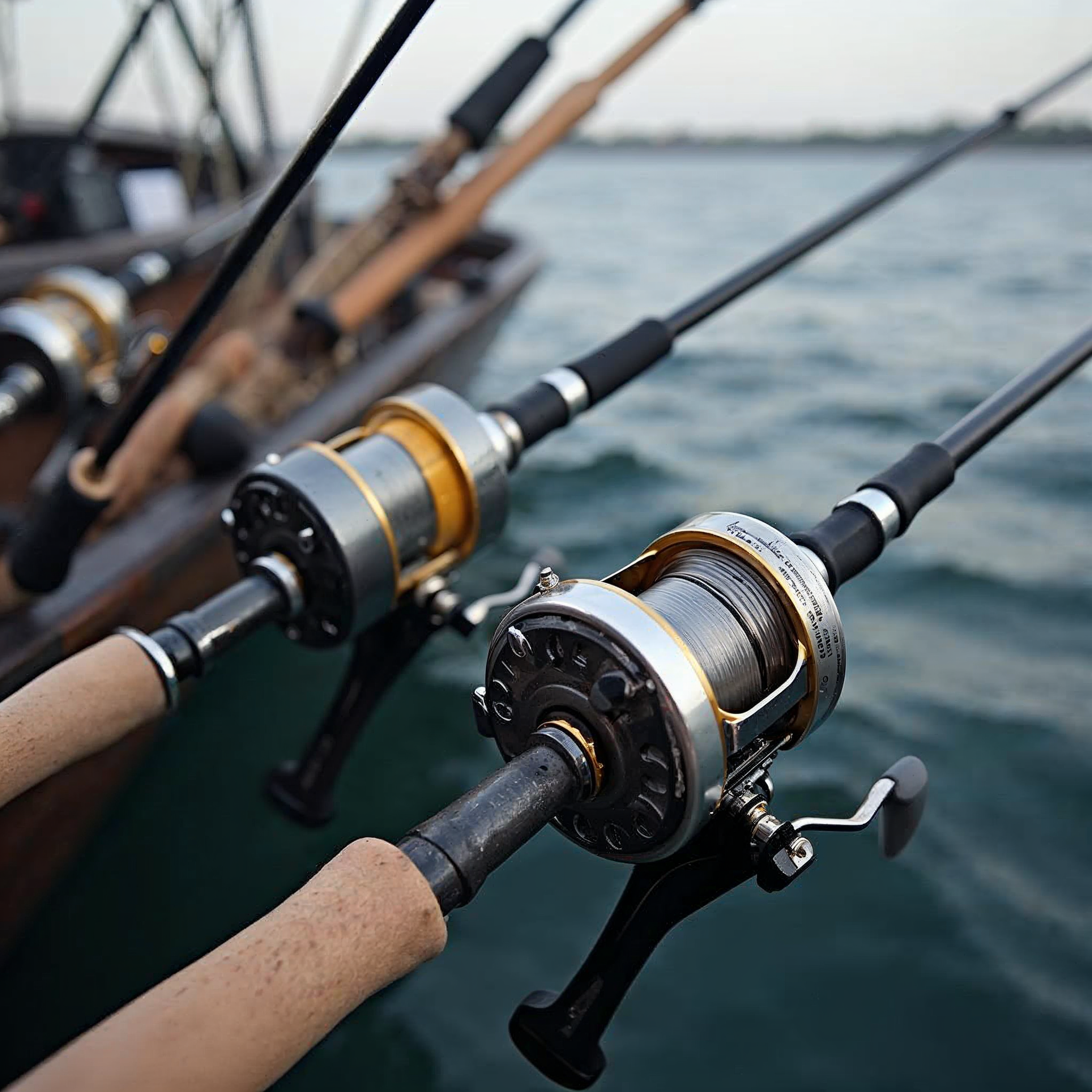
Fishing rods are more than just tools; they’re an extension of your fishing experience. Understanding them is the first step to mastering their use.
Basic Components of Fishing Rods
Fishing rods might seem simple, but they consist of several key parts:
-
Handle: Where you hold the rod. Usually made of cork or foam.
-
Reel Seat: This is where you attach your reel. It keeps everything in place.
-
Blank: The main body of the rod. It’s flexible and strong.
-
Guides: Rings that line the rod. They guide your line and keep it steady.
Each component plays a role in how your rod performs. The handle affects comfort, while the blank impacts sensitivity. Choosing the right materials and setup will make a difference in your fishing success.
Importance of Rod Length and Action
Rod length and action are crucial for casting and control. Long rods cast farther, while short ones offer better control. Action describes how much the rod bends when you apply pressure. Fast action means bending near the tip, good for fast hook sets. Slow action bends throughout, ideal for fighting larger fish.
Fishing Rod Materials Explained
Fishing rods come in different materials, each with its benefits:
-
Fiberglass: Durable and flexible, great for beginners.
-
Graphite: Lightweight and sensitive, perfect for experienced anglers.
-
Composite: A mix of both, offering balance and versatility.
Choosing the right material affects your fishing style. Graphite is precise, while fiberglass is forgiving. Consider what feels best in your hands.
Types of Fishing Rods
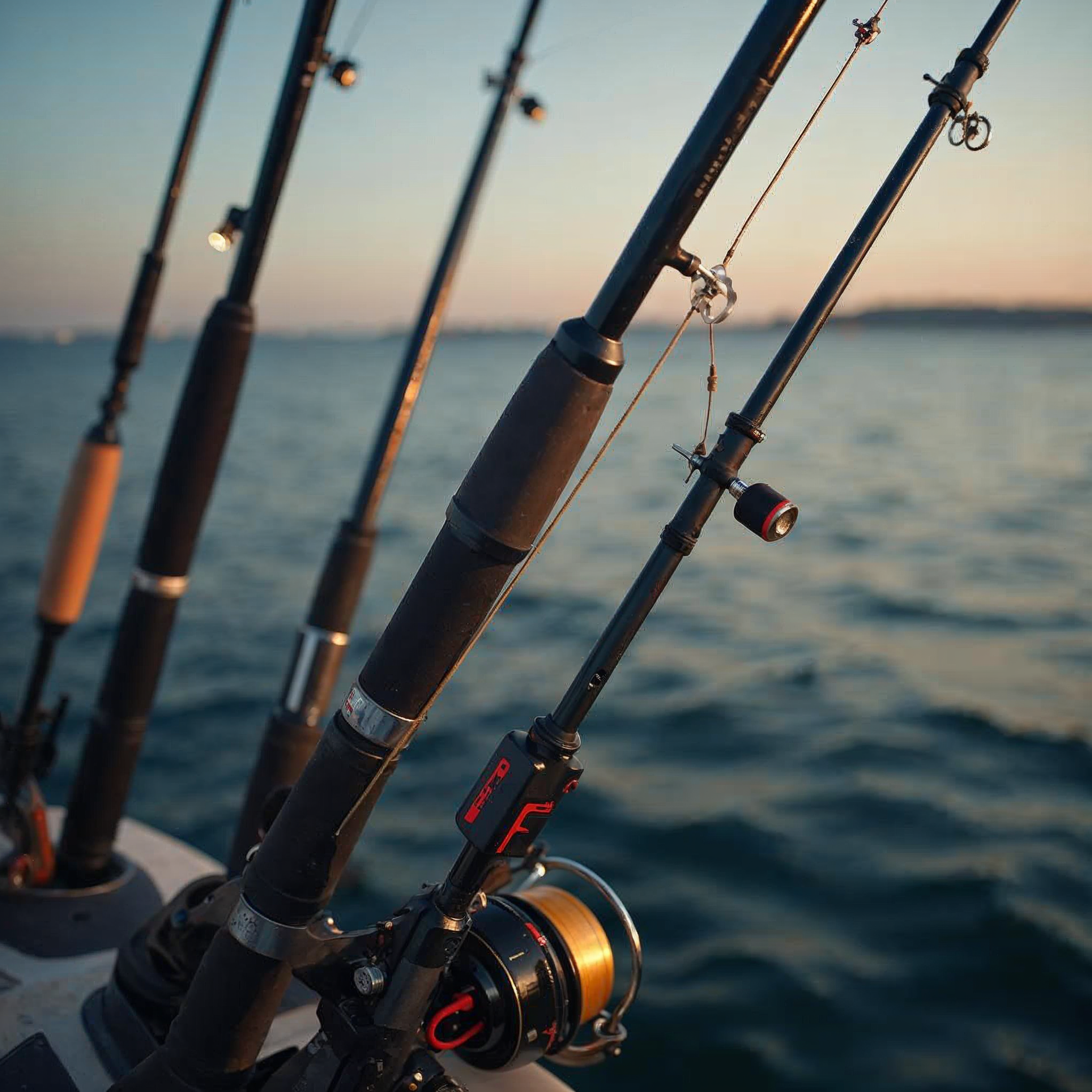
Now that you know what makes up a fishing rod, let’s explore the different types available and their unique benefits.
Spinning vs. Casting Rods
Spinning rods are user-friendly, great for beginners. They have larger guides, reducing tangles. Casting rods, on the other hand, offer precision and power. They’re favored by seasoned anglers for their control.
|
Feature |
Spinning Rods |
Casting Rods |
|---|---|---|
|
Ease of Use |
Ideal for beginners |
Best for experienced anglers |
|
Control |
Good for light lures |
Excellent for heavy baits |
Knowing when to use each type can elevate your fishing game. Try both and see which feels right for your style.
Fly Fishing Rods Overview
Fly fishing rods are specialized tools. They’re longer and more flexible, designed for casting lightweight flies. They require skill but offer a unique fishing experience. Their design helps in delicate presentations and accurate casting.
Specialized Rods for Specific Environments
Certain rods are built for specific environments. Ice fishing rods are short and sensitive, while surf rods are long and tough. Fishing in lakes requires different gear than fishing in the ocean. Matching the rod to the environment ensures better results.
Choosing the Best Fishing Rods
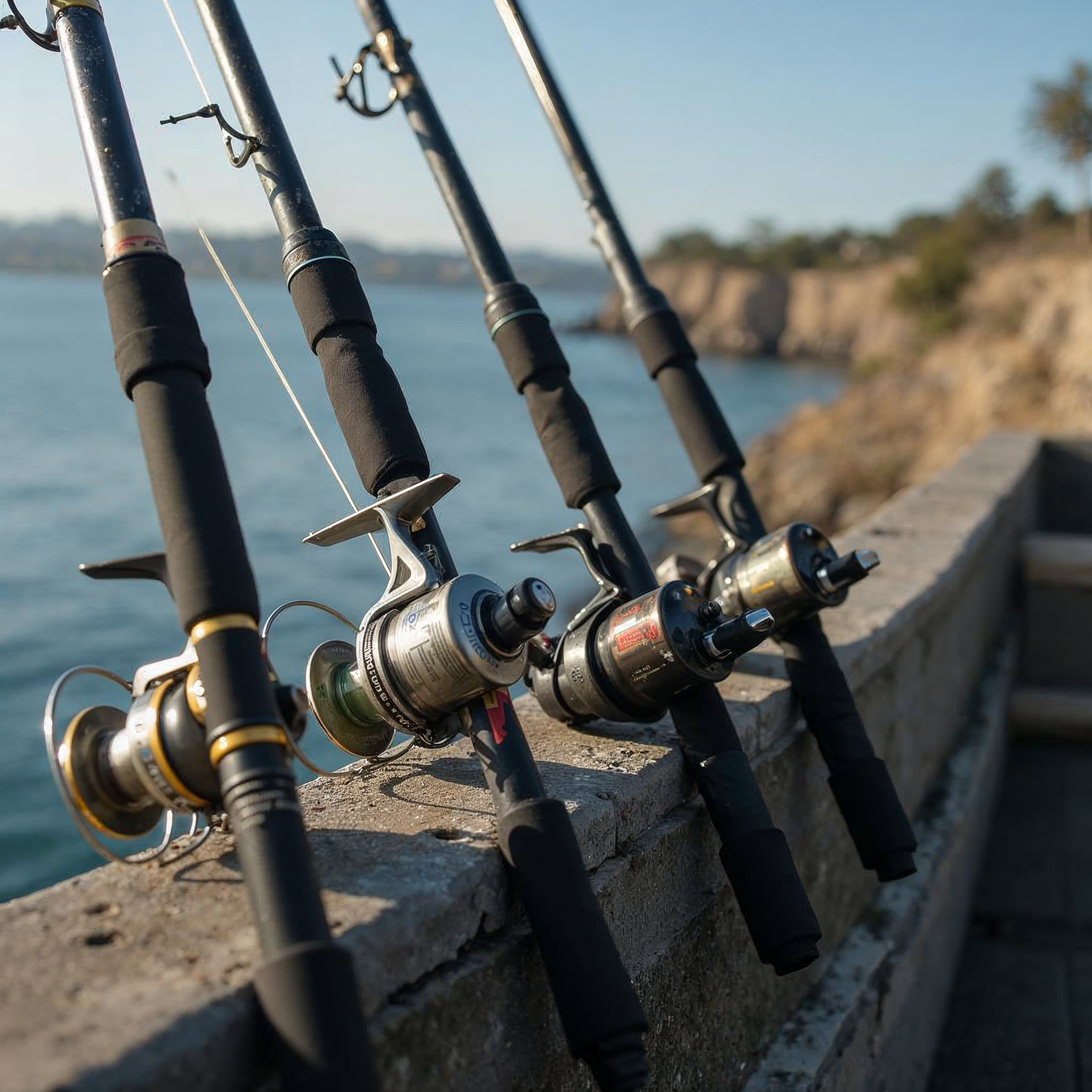
The right fishing rod can transform your fishing outings. Let’s dive into how you can make informed choices.
Matching Rods to Fishing Techniques
Your fishing technique dictates the ideal rod. For bass fishing, a medium-heavy rod is perfect. For trout, a lightweight rod works best. Matching your rod to your technique maximizes your chances of success.
Factors to Consider When Buying
When buying a rod, consider:
-
Budget: Determine how much you’re willing to spend.
-
Experience Level: Beginners should opt for simpler rods.
-
Target Species: Different fish require different rods.
-
Fishing Environment: Choose based on where you’ll fish.
Exploring these factors can guide you to the best fishing rods suited for your needs.
Top Picks for Beginners and Pros
For beginners, spinning rods like the Ugly Stik GX2 are reliable and affordable. Pros might prefer the St. Croix Bass X for its precision and power. Learn more about rod selection.
Fishing Rod Maintenance Tips
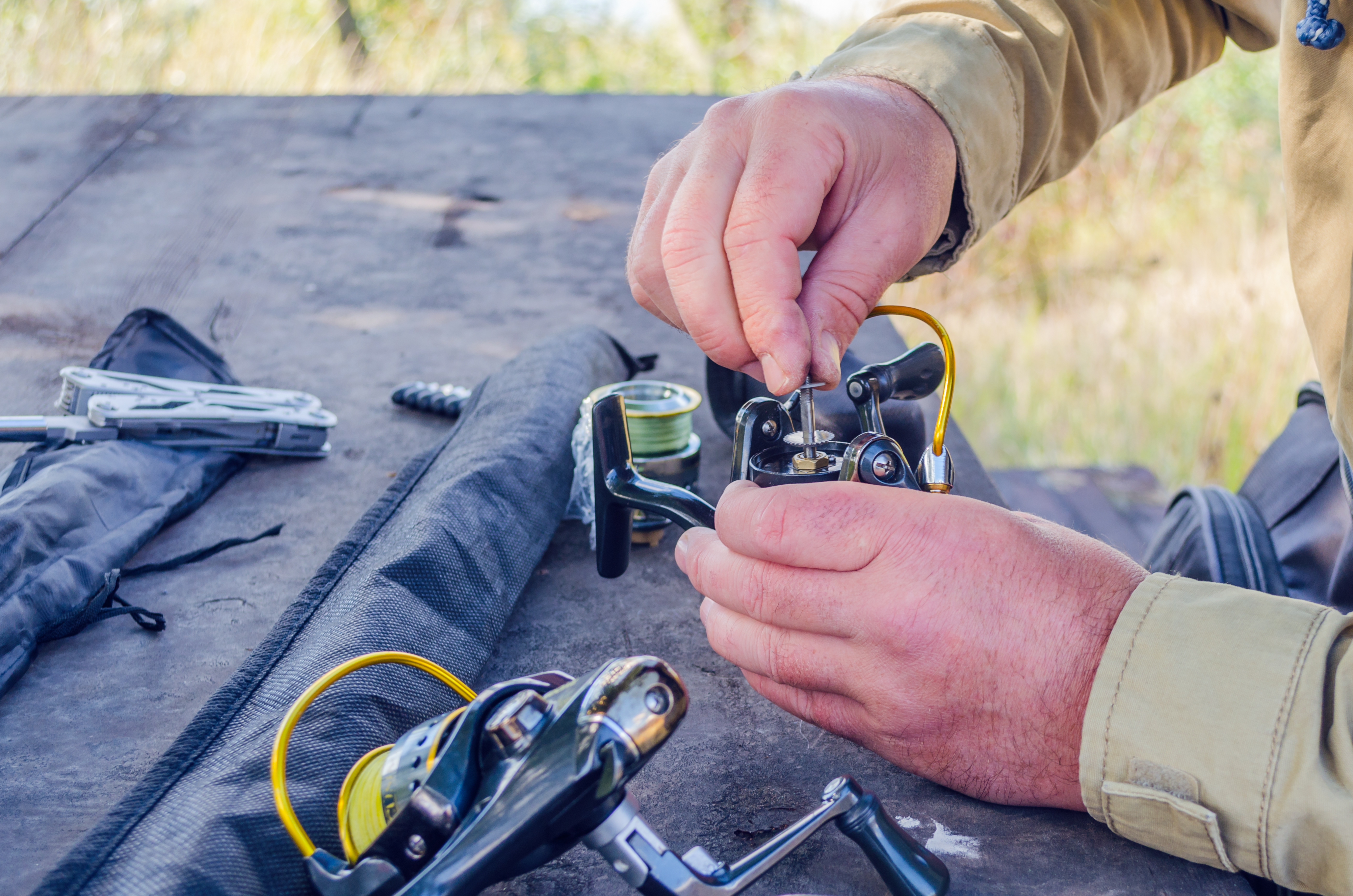
To get the most out of your rods, proper care is essential. Maintenance ensures longevity and peak performance.
Cleaning and Storage Techniques
After each use, rinse your rod with fresh water. This removes grime and salt. Store in a cool, dry place. Use rod sleeves to prevent scratches. Proper storage keeps your gear ready for the next adventure.
Common Repairs and Fixes
Sometimes rods break or guides come loose. Simple fixes like replacing the guide or patching cracks can extend their life. Many issues are fixable with basic tools and a bit of patience.
Extending the Life of Your Rod
Regular maintenance extends a rod’s life. Check connections and guides for wear. Keep handles clean and grips tight. A bit of care goes a long way in preserving your investment.
Fishing Rod Guide for All Anglers
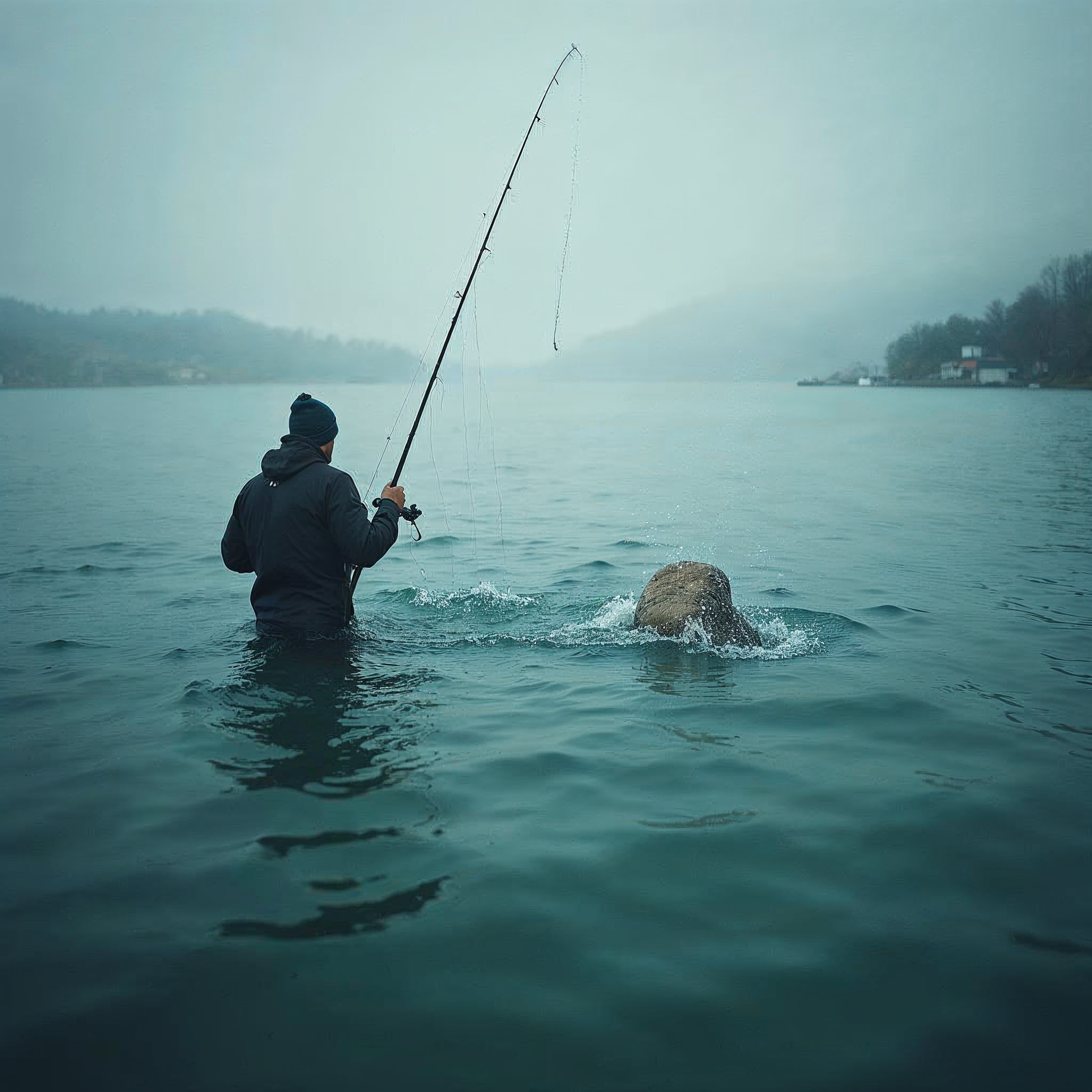
Fishing is a journey, and your rod is your companion. Let’s see how you can enhance this experience.
Resources for Further Learning
There are many resources available for learning more about fishing rods. Online forums, local workshops, and instructional videos are great places to start. Continuous learning keeps you sharp.
Connecting with Fishing Communities
Join local fishing clubs or online groups to connect with fellow anglers. Sharing experiences and tips can enhance your skills. Community support is invaluable in your fishing journey.
Enhancing Your Fishing Experience
Make each trip memorable by trying new techniques and exploring new spots. The longer you wait, the more opportunities you miss. Dive into the world of fishing with confidence and relish every moment.