
The Best Fishing Bobbers: Tips for Catching More Fish
Most anglers toss a line without giving their fishing bobber much thought. That’s where they miss out on simple tricks that could fill their cooler faster. If you want to catch more fish without changing your spot, learning how to use a bobber can make all the difference. Let’s break down the best fishing bobbers and bobber techniques that actually work.
Choosing the Right Bobber
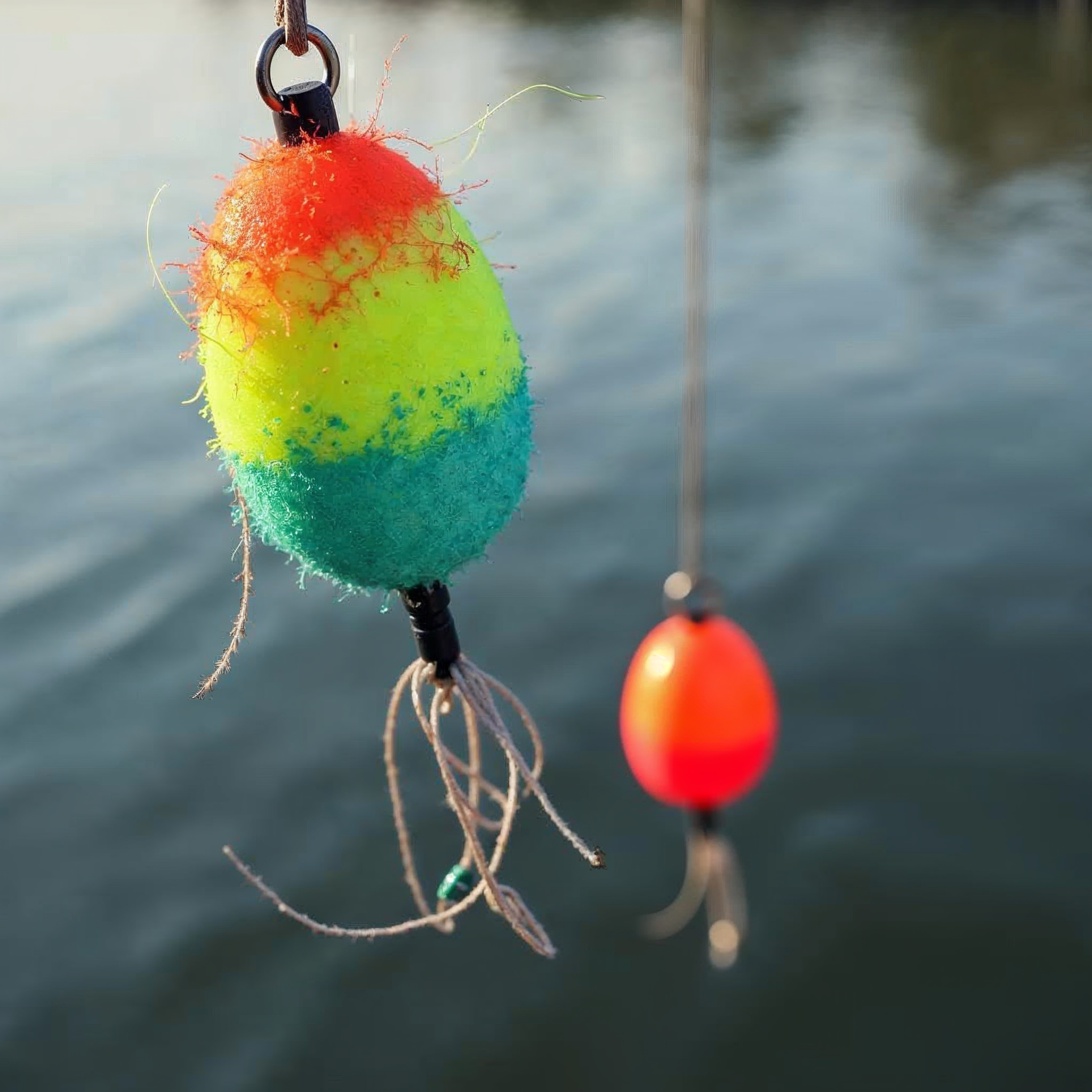
To catch more fish, picking the right bobber is key. It’s not just about any bobber; it’s about the one that suits your needs and conditions. Let’s explore the different types to find your perfect match.
Types of Fishing Bobbers
Fishing bobbers come in various shapes and sizes, each designed for specific fishing situations. Round bobbers are the classic choice. They’re great for beginners because they’re easy to use. Just clip it on your line, and you’re good to go. But they’re not the only option.
Slip bobbers offer more flexibility. You can adjust the depth of your bait easily, making them ideal for deeper waters. These are a favorite among seasoned anglers looking to target fish at different depths. Check out this guide on advanced slip bobber fishing to learn more.
Then there are pencil bobbers, which are slender and sensitive. They’re perfect for detecting even the smallest nibbles. If you’re fishing in calm water where fish are shy, pencil bobbers can be your best friend. Remember, the right bobber can make or break your day on the water.
Matching Bobbers to Conditions
Understanding the conditions you’re fishing in will help you choose the best fishing bobber. In windy conditions, opt for a heavier bobber to keep your bait stable. A lightweight bobber will just get tossed around, making it hard to detect bites.
For still water, a sensitive bobber like the pencil type can be beneficial. It helps in detecting subtle strikes when fish are being cautious. If you’re fishing in a river with a strong current, a larger bobber will hold better against the flow, keeping your bait in place.
Temperature also plays a role. In colder water, fish are less active, so a sensitive bobber can help detect softer bites. For a comprehensive look at the best bobbers, check out this list of top bobbers for fishing.
Remember, the longer you wait to adapt your bobber to the conditions, the fewer fish you might catch. Most people think one bobber fits all, but choosing the right one can be a game-changer. Make the most of your fishing trips by selecting a bobber that matches your fishing environment.
By carefully considering your bobber choice and adapting to the conditions, you’re setting yourself up for a successful catch. The next time you head out, think about the tips above and see how your fishing game improves.