
The Ultimate Guide to Types of Fishing Weights: What You Need to Know
Most anglers toss whatever fishing weight they find without a second thought. That’s a quick way to miss bites and lose fish. Knowing the types of fishing weights and how to use fishing weights can change your game without adding bulk to your tackle box. Let’s break down the simple tips that make lightweight fishing gear work harder for you. For more insights, check out this comprehensive guide on fishing weights.
Introduction to Fishing Weights

Fishing weights are more than just bits of metal. They are essential tools that can make or break your fishing trip. Let’s explore why these tiny tools matter so much.
Importance of Fishing Weights
Fishing weights aren’t just for sinking your line. They help you cast further, keep bait steady, and reach the right depth. Imagine fishing without the right weight—your line drifts, and you miss that big catch. Each weight has a job, and picking the right one is crucial. They keep your bait at the perfect depth, making sure fish notice it. So, the next time you’re out, think about the weight you’re using. It’s the secret to more bites and fewer lost fish.
Types of Fishing Weights Overview
There are several types of fishing weights, each serving different purposes. Some are tiny and delicate for light lines, while others are hefty for deep waters. Understanding these types can transform your fishing experience. From split shots to bullet weights, each has unique benefits. Curious about which type suits your fishing style? The next sections will guide you through these options, ensuring your tackle box is ready for anything.
Popular Types of Fishing Weights
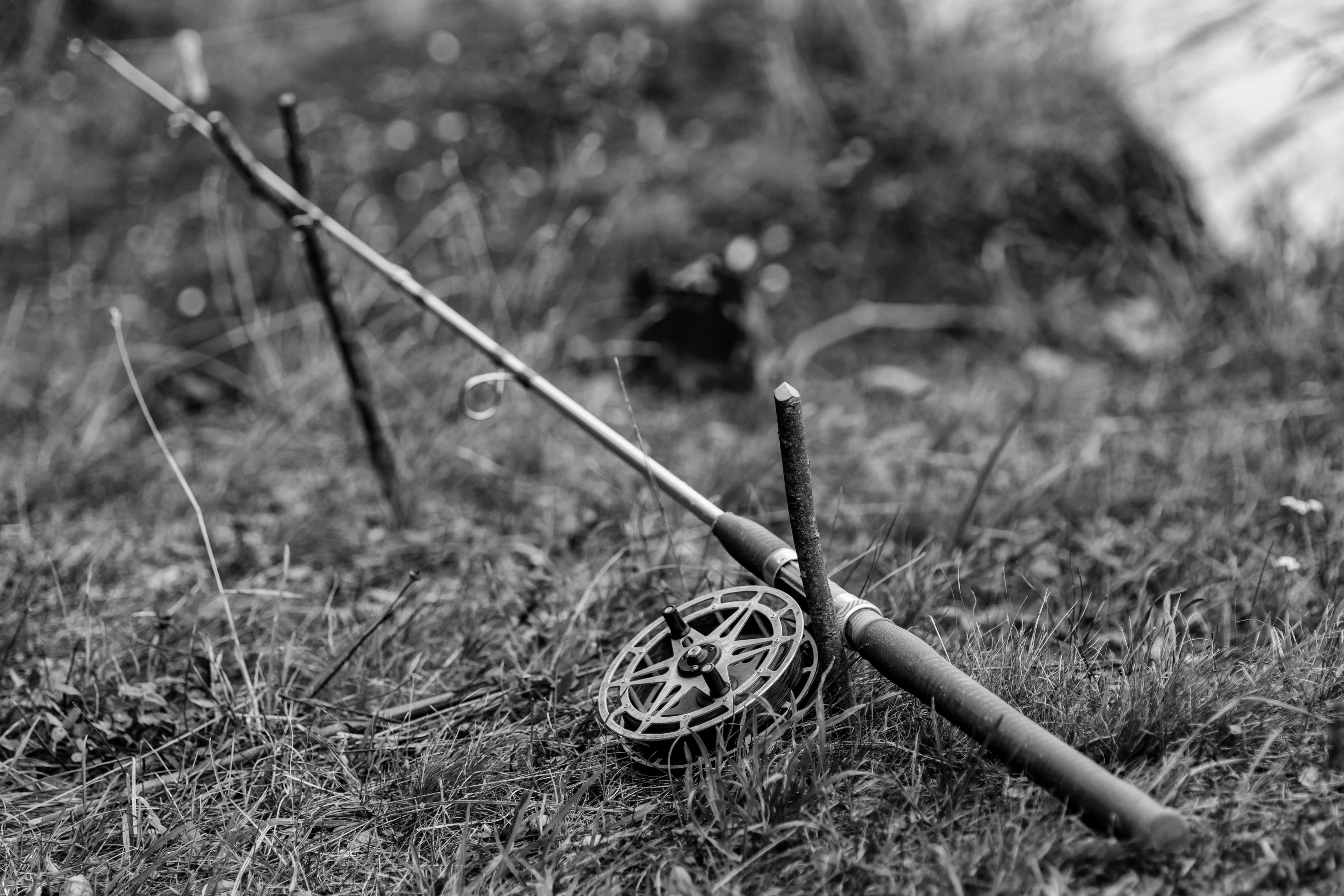
Choosing the right weight can be as important as selecting the bait. Let’s dive into the most popular types of fishing weights and see where they fit best.
Split Shot Weights
Split shot weights are small but mighty. They’re perfect for fine-tuning your setup without overloading your line. These weights are versatile, allowing you to add or remove them easily. Imagine you’re casting in a calm lake. A light touch is needed, and split shots provide that. They can adjust your bait’s position subtly, enhancing your chances of a catch. Wondering why they’re so popular? Their simplicity and efficiency make them a favorite among anglers. Learn more about split shot weights here.
Egg Sinkers
Egg sinkers are oval-shaped and designed to slide along the line. Perfect for drifting bait with the current, they keep your line from tangling. Think of a river scene where the water flows gently. An egg sinker allows your bait to move naturally, making it irresistible to fish. They’re great for bottom fishing and help maintain a natural bait presentation. If you’re fishing in moving water, these weights are a game-changer. Check out more on egg sinkers.
Bullet Weights
Bullet weights, or worm weights, are cone-shaped and ideal for worm rigs. They help your line cut through water and vegetation smoothly. Picture casting into a weedy area. The bullet weight slices through, getting your bait where it needs to be. They’re particularly useful in freshwater for targeting bass. Their streamlined design reduces snags and increases your chances of a good hook set. If you love fishing in heavy cover, bullet weights should be in your tackle box. Discover more about bullet weights.
Choosing the Right Fishing Weight
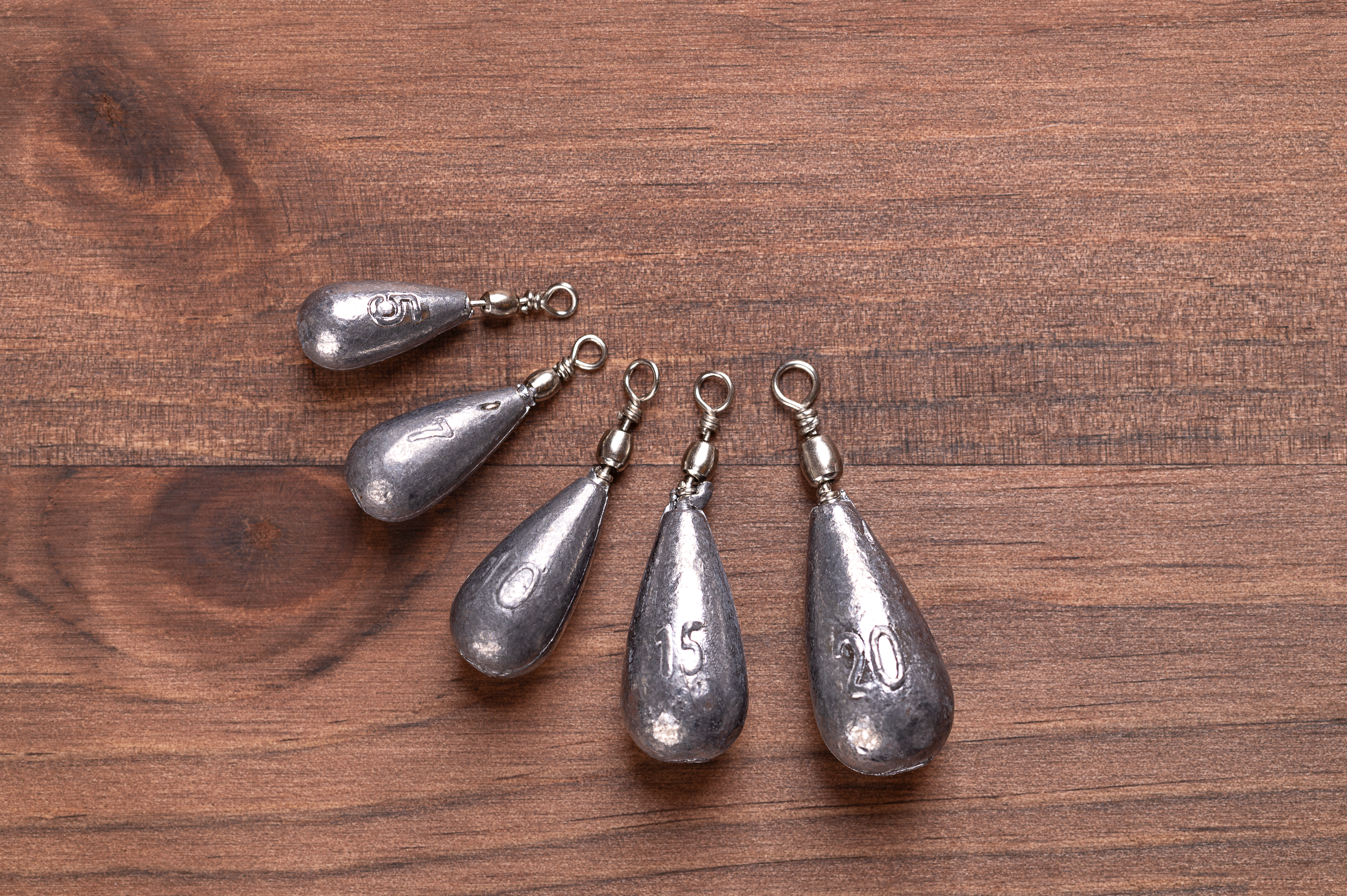
Selecting the right fishing weight can make all the difference. Consider the conditions and your target to make an informed choice.
Factors to Consider
Several factors influence your choice of fishing weight, including water type, depth, and weather. Are you fishing in a calm pond or a fast-moving river? Each scenario requires a different approach. You also need to consider the type of fish you’re targeting. Larger fish might need heavier weights to keep the bait steady. Weather can also impact your choice. On windy days, heavier weights help maintain control. Understanding these factors helps you decide which weight will work best for your outing.
Matching Weights to Conditions
Matching your weights to the conditions ensures your bait is presented perfectly. In clear, shallow waters, lighter weights prevent startling fish. Conversely, deeper or murky waters may require heavier weights to reach the bottom. Think about the environment and the fish species. Are you after bottom-feeders or surface swimmers? Adjusting your weights to the conditions can significantly increase your success rate. For more tips, check out this guide on fishing weights and conditions.
How to Use Fishing Weights Effectively
Using fishing weights effectively requires practice and understanding. Here’s how you can make the most of them on your next trip.
Tips for Casting with Weights
Casting with weights involves more than just throwing your line out. You need to balance your rod, reel, and the weight for the perfect cast. Start with a steady stance and focus on smooth movements. Don’t rush—let the weight do the work. Practice makes perfect, so experiment with different weights and distances. The aim is to land your bait quietly and accurately. A little practice can lead to better results and more fish on the line.
Adjusting Weights for Better Results
Adjusting your weights can lead to better fishing outcomes. If you’re not getting bites, try changing the weight or its position on the line. Sometimes, a small adjustment can make your bait more appealing. Be observant—notice how fish react to your bait and adjust accordingly. The willingness to change and adapt is key to fishing success. Keep experimenting until you find the perfect setup for the day’s conditions.
Maintaining Lightweight Fishing Gear
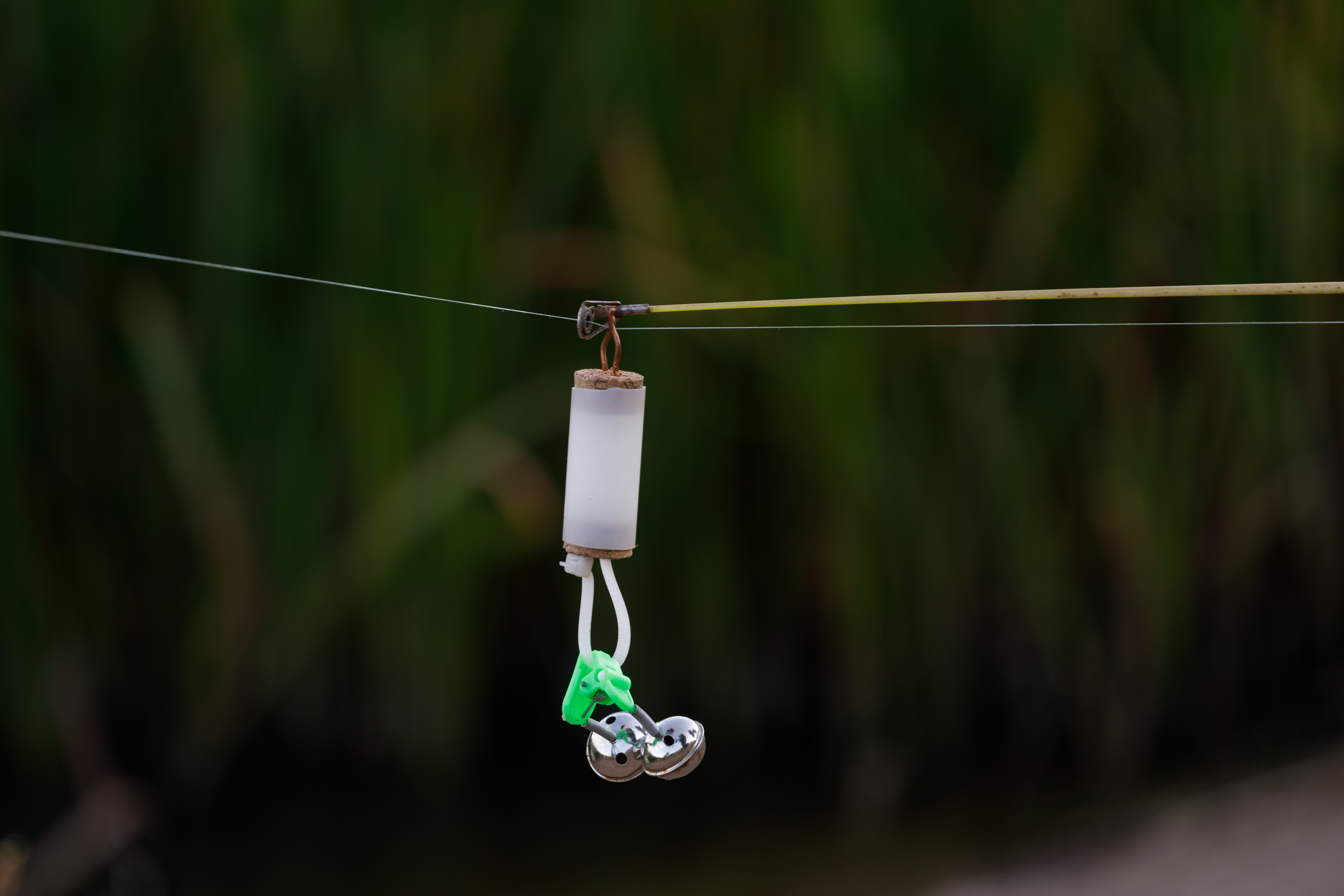
Keeping your fishing gear in top shape ensures it’s ready when you need it. Here’s how to maintain your lightweight gear for long-term use.
Tips for Traveling with Fishing Weights
Traveling with fishing weights requires planning. Keep them organized in small containers to prevent tangling and damage. Consider the weight—pack only what you need based on your destination and fishing style. This makes traveling easier and ensures you have the right gear. When packing, distribute weights evenly to avoid adding bulk. Proper packing keeps your gear accessible and ready for the water.
Organizing Your Tackle Box
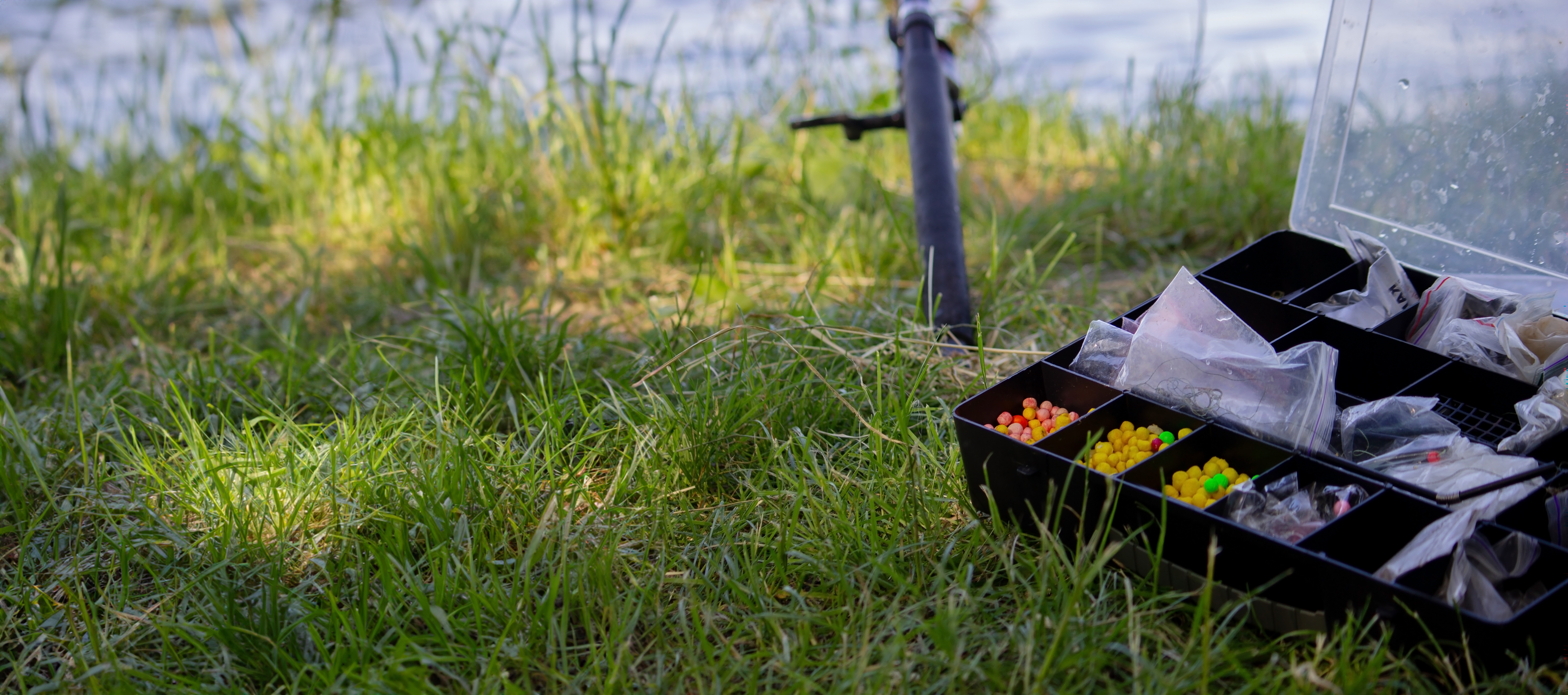
An organized tackle box saves time and makes your fishing experience smooth. Sort your weights by type and size. Use compartments and labels to keep everything in its place. This helps you find what you need quickly, especially when fish are biting. Regularly check and restock your tackle box to ensure you’re always prepared. An organized approach can enhance your overall fishing efficiency and enjoyment.
Fishing weights might seem small, but their impact is huge. By understanding how to use them effectively, you can transform your fishing experience. Keep these tips in mind, and happy fishing!