
How to Catch Crappie in Winter: Techniques Every Angler Should Know
Winter crappie fishing isn’t just about braving the cold—it’s about knowing where and how to find the fish when they’re hiding. If you’ve spent hours on the ice with little to show, you’re not alone. These crappie fishing tips will help you zero in on the best spots, pick the best lures for crappie, and finally master how to catch crappie in winter like a pro.
Essential Winter Crappie Fishing Tips
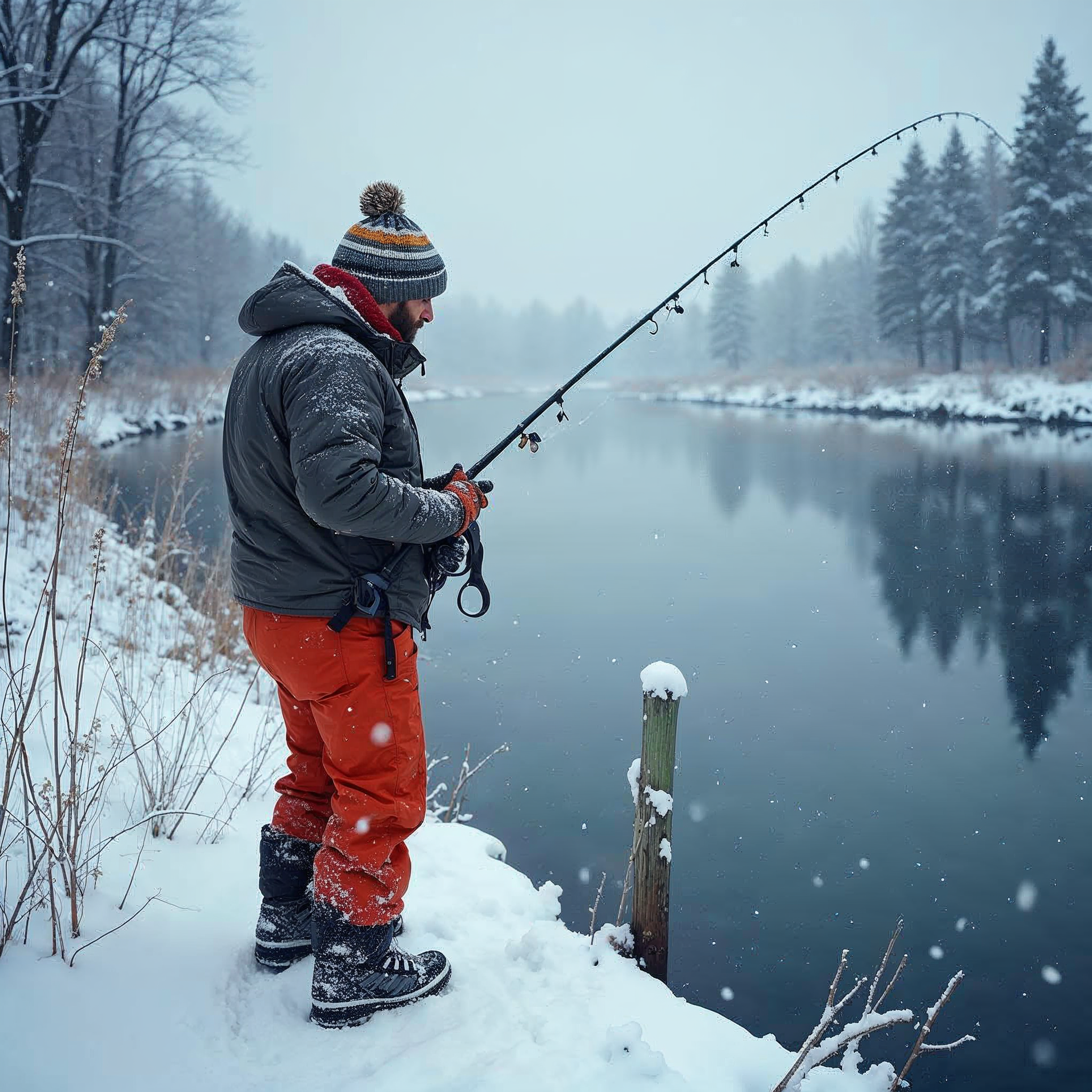
Winter crappie fishing offers a unique challenge and reward. Understanding what makes these fish tick is your first step toward success. Let’s dive into their behavior and how you can use this knowledge to your advantage.
Understanding Crappie Behavior
Crappie tend to slow down in winter, but they don’t stop feeding. Knowing their habits can lead you to the right spot. Crappie often move deeper in the water, seeking warmth. This is why you might find them near submerged structures like logs or brush piles. They gather in schools, so once you catch one, keep fishing in the same area. Did you know crappie are more active during low-light periods? Early morning and late afternoon can be prime times for catching these fish. So, when planning your fishing trip, focus on these times to increase your chances.
Choosing the Right Location
Finding the perfect spot is crucial. Crappie prefer areas with plenty of cover. Think sunken trees, weed beds, and rocky outcrops. These structures provide protection and attract smaller fish that crappie feed on. In lakes, look for inlets where warmer water enters. This slight temperature change can draw crappie, offering you a rich fishing ground. In rivers, consider eddies and backwaters. These spots often harbor crappie away from the main current.
Timing Your Fishing Trip
Timing can make or break your fishing trip. As mentioned, dawn and dusk are excellent times to fish. But don’t ignore cloudy days. The diffused light can keep crappie active longer. Additionally, pay attention to weather patterns. A warming trend after a cold snap can boost crappie activity. They might move shallower, making them easier to catch. Trust your instincts and the patterns you observe during your outings.
Best Lures for Crappie Success
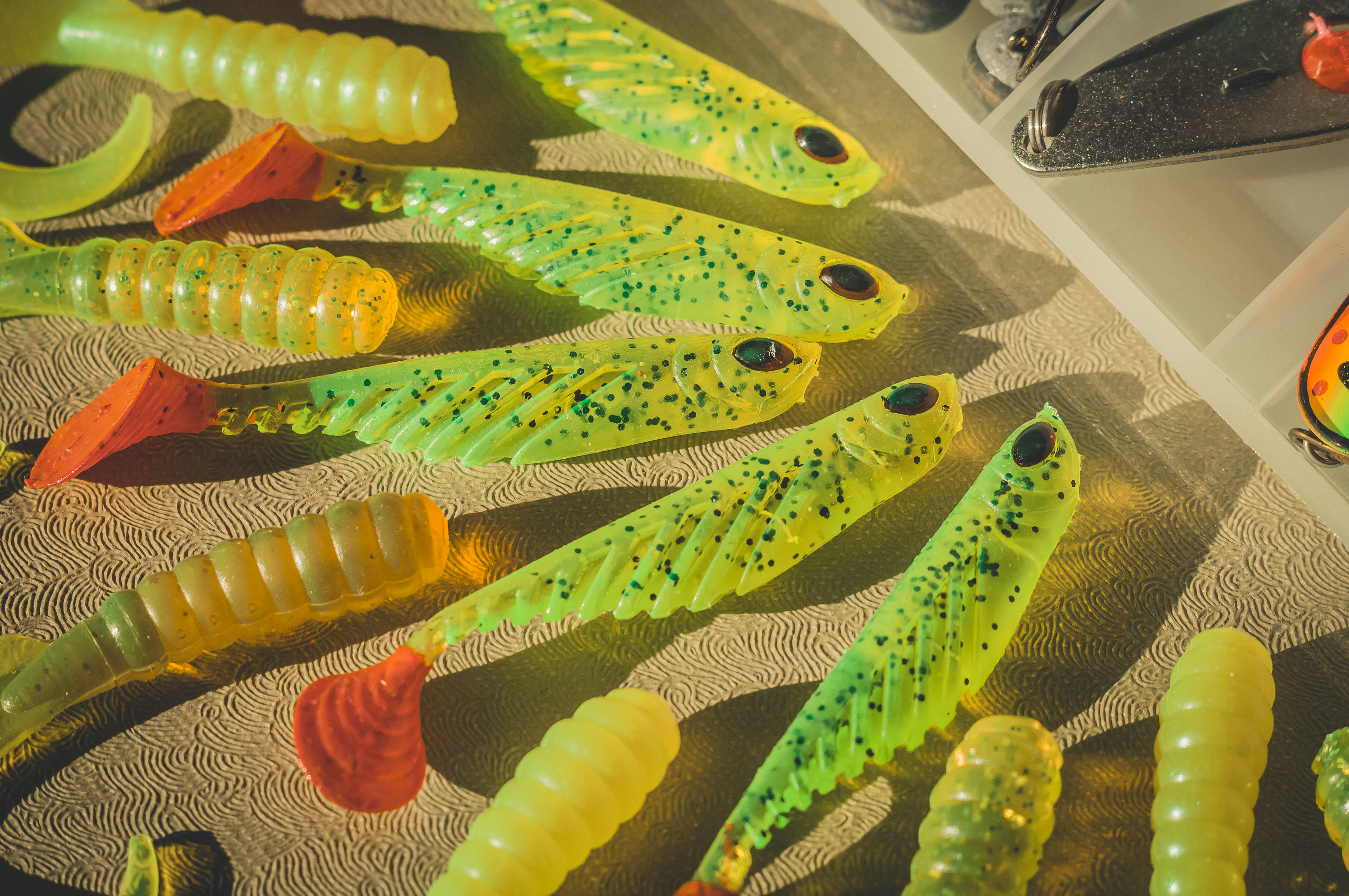
With an understanding of crappie behavior and location, it’s time to focus on what can entice them to bite. The right lure makes all the difference.
Selecting Effective Jigs
Jigs are a crappie angler’s best friend. A 1/32-ounce jig can be a game-changer when fished slowly. Choose bright colors like chartreuse or pink, which stand out in murky water. Experiment with movements. A slow, steady retrieve can mimic the natural movement of bait, luring crappie to strike. Don’t be afraid to try different jig sizes and styles. Sometimes, a change can trigger more bites.
Exploring Live Bait Options
Live bait can be incredibly effective. Minnows are a classic choice for crappie. Their natural movement attracts crappie, making it hard for them to resist. Hook the minnow through the back to allow it to swim freely. It’s a simple setup but highly effective. Worms and small crayfish can also work well. The key is to match the bait size with the crappie’s appetite. Smaller baits can yield more bites in cold water.
Ice Fishing for Crappie Techniques
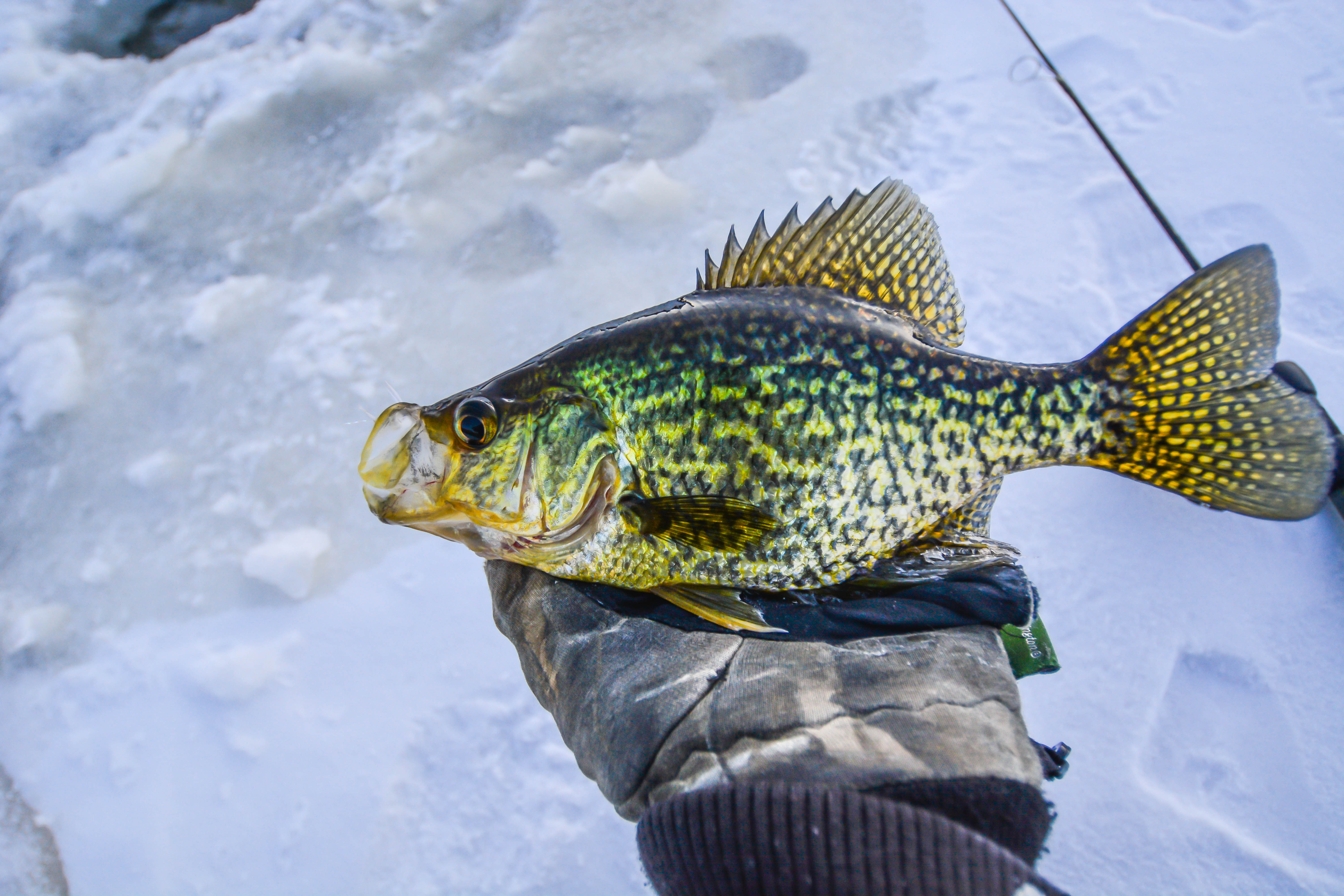
Equipped with the right lures and spots, it’s time to tackle the ice itself. Setting up your gear correctly is essential for a successful trip.
Setting Up Your Ice Shelter
Your ice shelter is your home base. Set it up near promising locations identified earlier. The shelter keeps you warm and hidden from the fish. Position it strategically so you can easily move to nearby holes. Remember, comfort is key. Bring a foldable chair and a small heater to stay warm. A comfortable angler is a focused angler, ready to reel in the catch.
Drilling and Maintaining Ice Holes
Drilling the right hole is crucial. Use an auger to make holes about 8 inches in diameter. This size is manageable and safe. Space multiple holes strategically to cover more area. Once drilled, keep the holes clear of ice buildup by regularly skimming. This ensures your line moves freely and stays visible to the fish. The more efficient your setup, the more time you have to focus on fishing.
Winter crappie fishing requires strategy, patience, and the right gear. By understanding crappie behavior, selecting the best locations, and choosing effective lures, you are well on your way to a successful outing. As you set up your ice shelter and maintain your fishing area, remember that perseverance pays off. Happy fishing!